

Common Mistakes in PUF Panel Installation
Mistakes while installing PUF Panels may seem minor during construction, but they can lead to costly problems once the building is in use. As PUF panels continue to gain popularity in industrial, commercial and prefabricated construction, ensuring their correct installation has become more important than ever. Whether it is a warehouse, cold storage, clean room or factory building, following the right installation process is essential for long-term performance. Understanding how to install PUF panels correctly helps avoid common PUF sheet installation mistakes that can affect the durability, safety and energy efficiency of the structure from day one.
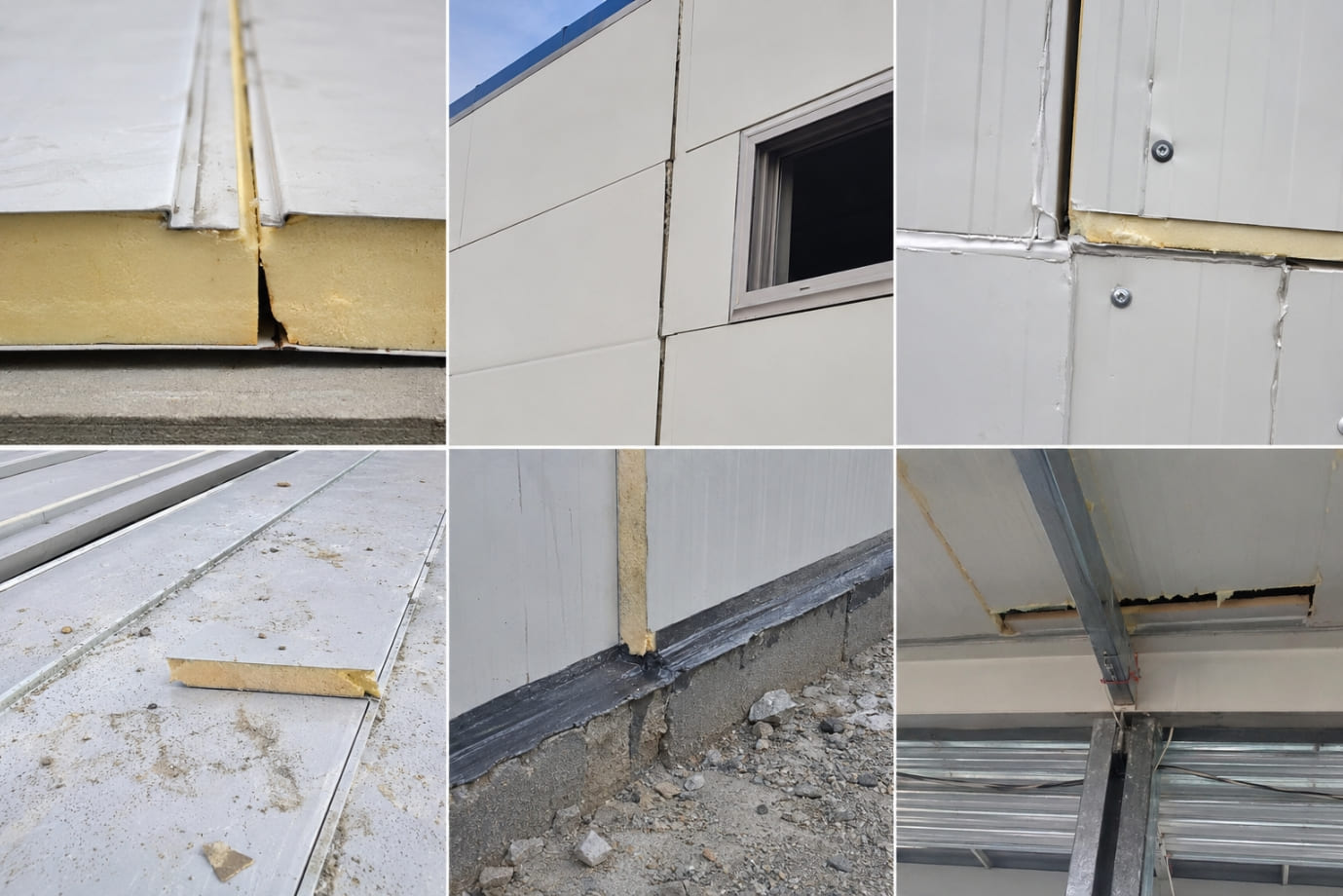
Despite using high-quality insulated panels, many projects experience issues because of mistakes in PUF roofing installation. Errors such as poor joint sealing, improper panel alignment, incorrect fastening and flashing installation mistakes can allow water to seep into the building, reduce thermal insulation and increase energy consumption. Likewise, mistakes while PUF panel wall installation can weaken the structural integrity of the building, create air leaks and lead to expensive maintenance and repair work. Even small PUF roofing sheets installation mistakes can have a significant impact on the overall performance and lifespan of the installation.
In this blog, we will discuss the most common mistakes while installing PUF panels, explain why they occur, and share practical tips to avoid them. By following the right installation practices, you can improve insulation performance, prevent avoidable damage, reduce long-term maintenance costs and ensure your PUF panel project delivers reliable performance for many years.
Why Proper Installation of PUF Panel Matters
Choosing high-quality PUF panels is only one part of building a durable and energy-efficient structure. Their actual performance depends on how to install PUF panels correctly. Even the best insulated panels can fail to deliver the expected results if proper installation practices are not followed. Avoiding common mistakes in PUF roofing installation and wall installation, helps ensure that the panels perform efficiently throughout their service life.
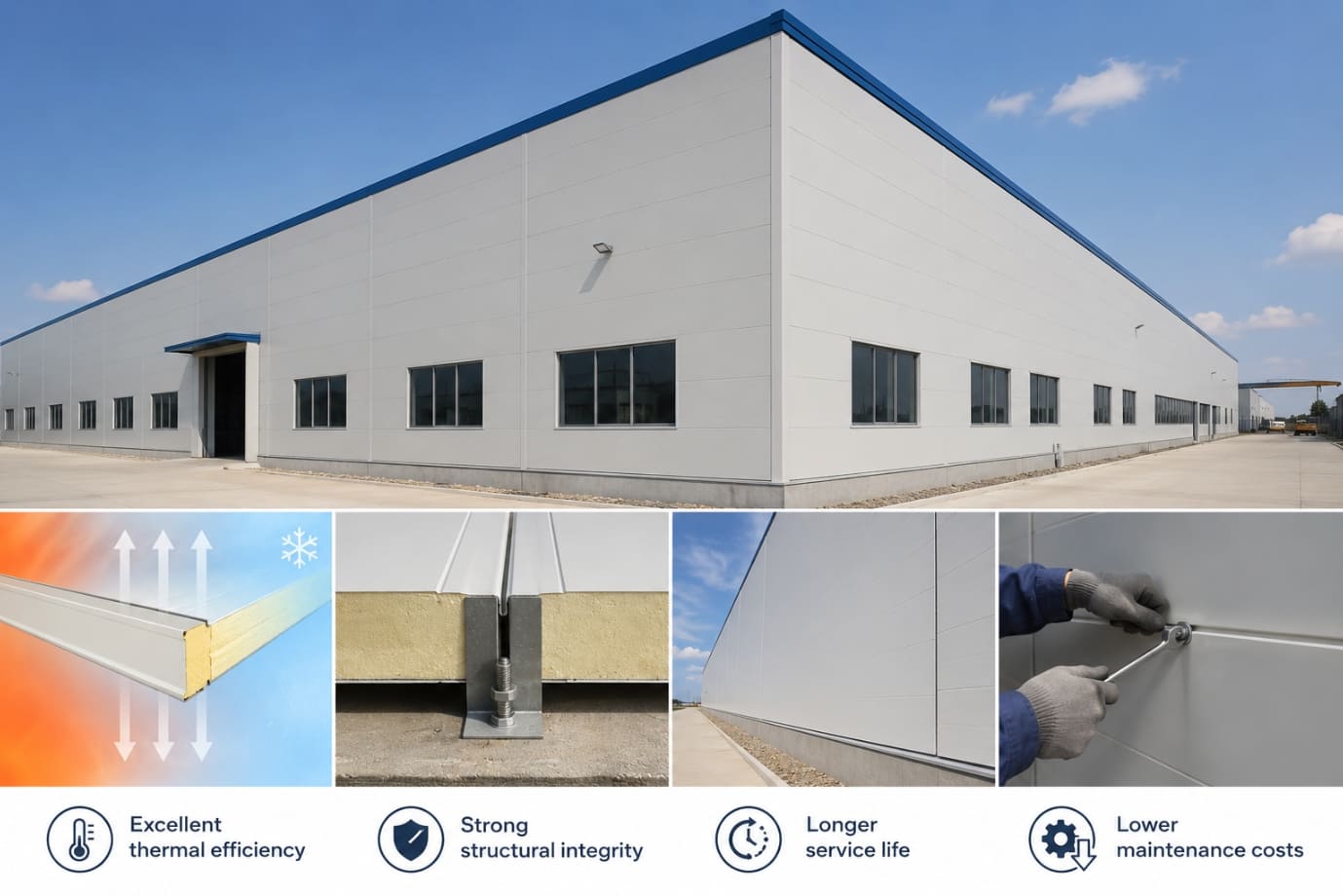
A professionally installed PUF panel system offers several long-term benefits, including:
- Excellent thermal efficiency: Properly sealed joints and correctly installed panels minimise heat transfer, helping maintain consistent indoor temperatures while reducing energy consumption.
- Strong structural integrity: Correct installation prevents panel movement, misalignment and unnecessary stress, ensuring the building remains stable and secure.
- Reliable moisture protection: Avoiding flashing installation mistakes and ensuring proper joint sealing helps prevent water leakage, condensation and corrosion.
- Improved fire performance: Installing panels according to manufacturer guidelines supports the intended fire-resistant properties of the system.
- Longer service life: Reducing PUF sheet installation mistakes helps extend the lifespan of both the panels and the building.
- Lower maintenance costs: Proper installation reduces the chances of repairs caused by leaks, loose fasteners, damaged joints or insulation failure.
- Warranty compliance: Most manufacturers require correct installation methods and mistakes while installation for roof PUF Panels and wall panels may affect warranty eligibility..
For example:
- Cold Storage: These facilities rely on airtight insulation to maintain low temperatures. Even small mistakes while installing PUF Panels can create thermal bridges and air leaks, increasing refrigeration costs and affecting product quality. For more details, read our dedicated page on Cold Storage.
- Pharmaceutical Plants: Pharmaceutical manufacturing requires strict temperature and humidity control. Avoiding mistakes while PUF panel wall installation helps create clean, hygienic and controlled environments that meet industry standards.
- Food Processing Units: Food processing facilities demand high hygiene and moisture resistance. Proper installation prevents water ingress, bacterial growth and insulation damage that may result from mistakes while installing PUF Panels.
- Warehouses: Modern warehouses use PUF panels to improve energy efficiency and protect stored goods. Correct panel alignment and secure fastening reduce the risk of structural issues caused by mistakes while installation for roof PUF Panels. You can also read our dedicated blog on PUF Panels for Industrial Sheds.
- Commercial Buildings: Commercial spaces benefit from better indoor comfort, lower utility costs and an attractive appearance when PUF panels are installed correctly. By avoiding common mistakes while installing PUF panel and following best practices, building owners can achieve a durable, low-maintenance structure that performs efficiently throughout its lifespan. You can also read our dedicated page on Pre-Engineered Buildings.
Common Mistakes while Installing PUF Panels
Even the best-quality PUF panels can fail to deliver the desired performance if they are not installed correctly. Many mistakes in PUF roofing installation and wall installation occur because proper planning and installation practices are overlooked. Understanding how to install PUF panels is essential to achieve maximum thermal insulation, structural stability and long-term durability. Below are some of the most common mistakes while installing PUF panels and practical ways to avoid them.
Ignoring Site Preparation
A strong and durable PUF panel installation always starts with proper site preparation. Ignoring this crucial step is one of the leading causes of mistakes in PUF panel fitting, as panels may not align or seal properly if the supporting structure is not ready.
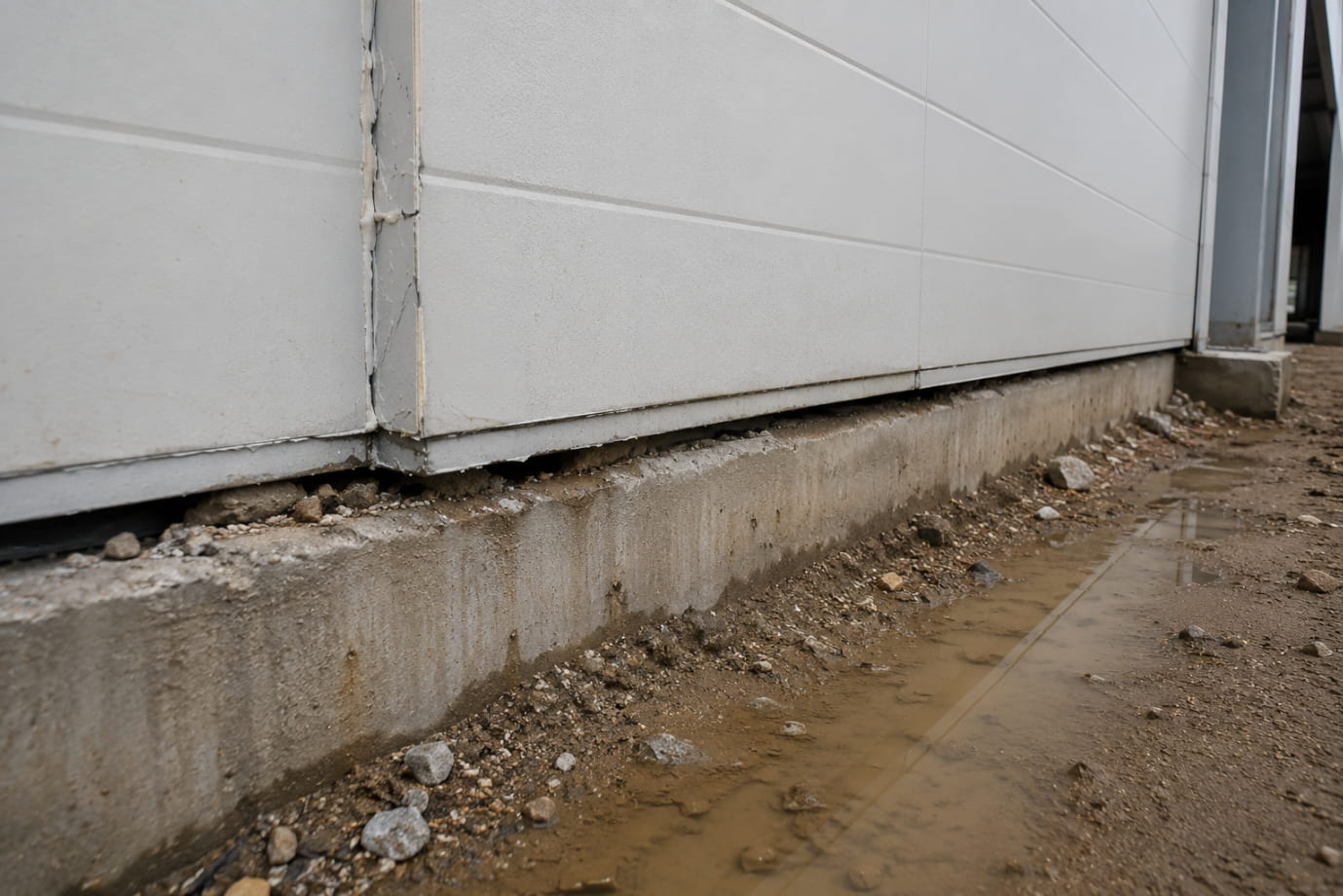
- Uneven foundations or misaligned steel frames can create gaps between adjoining panels.
- Incorrect measurements often lead to improper fitting and unnecessary cutting of panels.
- Dust, moisture or debris on the installation surface affects panel adhesion and joint sealing.
- Poor site preparation increases the chances of air leakage, water seepage and reduced insulation performance.
- Before installation, inspect the foundation, verify all dimensions and clean the work area to minimise common PUF sheet installation mistakes.
Choosing the Wrong Panel Thickness
Selecting the right panel thickness is just as important as learning how to install PUF panels correctly. Choosing an unsuitable panel specification often contributes to mistakes while installing PUF Panels and reduces the building’s energy efficiency.
- Thin panels may not provide sufficient insulation for cold rooms or temperature-controlled environments.
- Roof panels and wall panels require different thicknesses based on thermal and structural requirements.
- Using the wrong panel specification can increase energy consumption and reduce building performance.
- Cold storages generally require thicker insulated panels than warehouses or commercial buildings.
- Always select the panel thickness according to the project's insulation needs and manufacturer recommendations.
Poor Handling during Transportation and Unloading
Many PUF sheet installation mistakes actually begin before installation starts. Improper transportation and unloading can damage the panel surface or insulation core, making installation more difficult and reducing the panel’s overall performance.
- Dragging panels across rough surfaces can scratch the protective coating.
- Bent panel edges prevent proper locking between adjacent panels.
- Damage to the polyurethane foam core affects thermal insulation.
- Removing the protective film too early exposes the panels to scratches and dirt.
- Carefully lift, transport and store the panels on a clean, flat surface to maintain their quality before installation.
Incorrect Panel Alignment
Incorrect panel alignment is one of the most common mistakes while installation for roof PUF Panels as well as mistakes while PUF panel wall installation. Even a small alignment error can affect the appearance, strength and weather resistance of the entire structure.
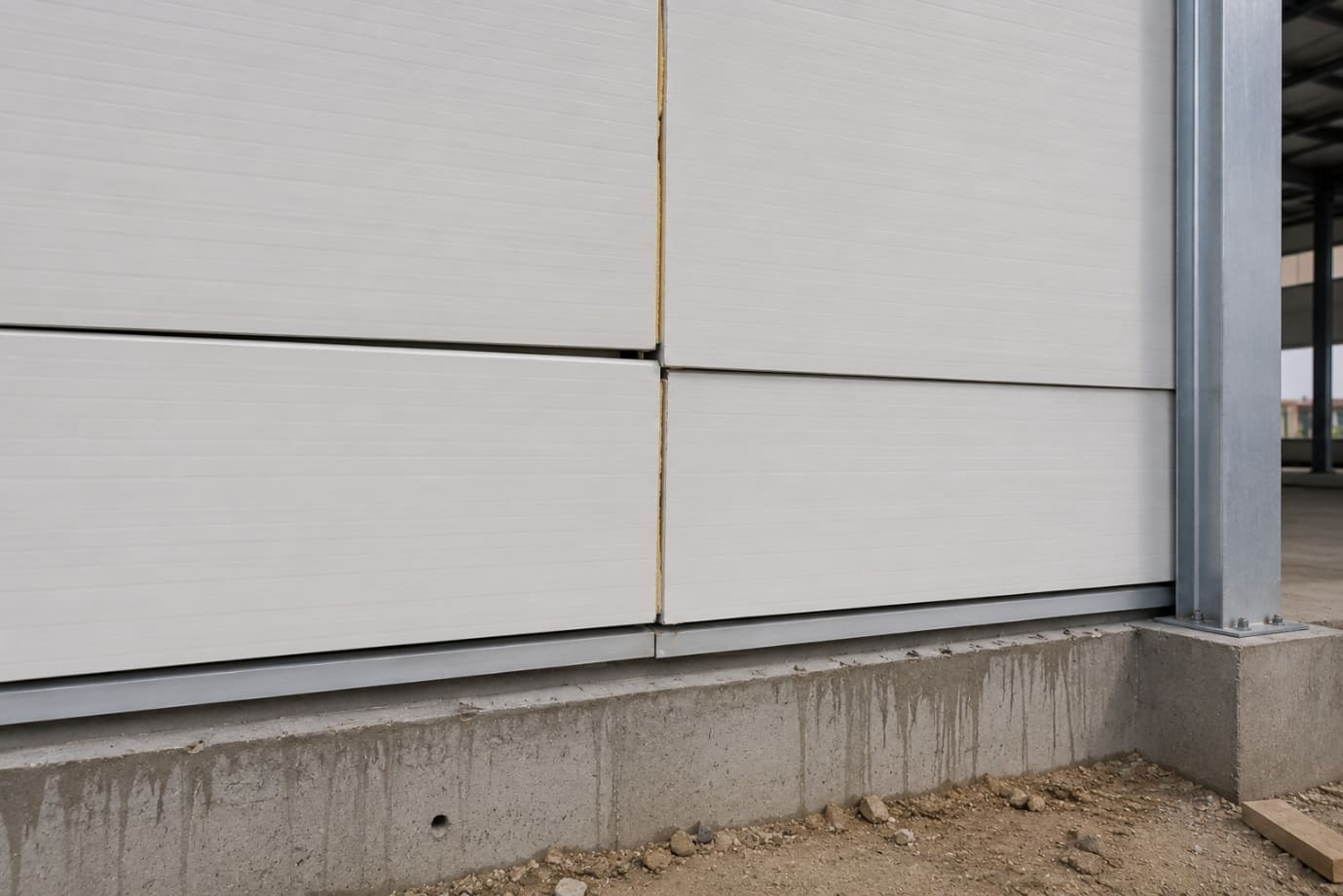
- Misaligned joints create air gaps that reduce insulation efficiency.
- Uneven wall panels affect the overall finish and visual appearance of the building.
- Incorrect roof alignment may result in poor water drainage and leakage.
- Improper positioning places additional stress on panel joints and fasteners.
- Regularly check panel alignment using levelling tools during installation to avoid mistakes in PUF panel roof installation.
- Proper alignment also helps minimise flashing installation mistakes, ensuring effective waterproofing and long-term structural protection.
Improper Tongue-and-Groove Joint Connection
The tongue-and-groove joint is designed to create an airtight and secure connection between adjacent PUF panels. If the joints are not properly aligned or locked, they can affect the overall performance of the building. Such mistakes in PUF panel fitting can be avoided by understanding how to install PUF panels correctly.
- Poorly connected joints create gaps that allow air leakage.
- Water can enter through open joints, causing moisture damage and corrosion.
- Improper joint locking creates cold bridges that reduce thermal insulation.
- Always ensure the tongue-and-groove profile is fully engaged before fixing the panels.
Skipping Sealant at Panel Joints
Applying sealant at panel joints is essential for maintaining the insulation and weather resistance of the building. Skipping this step is one of the common PUF sheet installation mistakes and often leads to long-term performance issues, especially during mistakes while PUF panel wall installation and roof installation.
- Unsealed joints allow air and moisture to enter the building.
- Water ingress reduces insulation performance and may cause condensation.
- Poor sealing increases energy loss and maintenance costs.
- Use a high-quality sealant continuously along all recommended joints and inspect the sealing after installation.
Using Incorrect Fasteners
Selecting the right fasteners is just as important as choosing the right PUF panels. Using incorrect screws or improper fixing methods is one of the common mistakes while installing PUF panels, reducing the strength and stability of the installation.
- Wrong screw sizes may not provide a secure hold.
- Incorrect fastener spacing can cause panel movement and uneven load distribution.
- Low-quality fasteners are more likely to corrode and damage the panel surface.
- Always use manufacturer-approved, corrosion-resistant fasteners with the recommended spacing.
Over-Tightening Fasteners
Fasteners should be tightened carefully to hold the panels securely without damaging them. Over-tightening is one of the frequently overlooked mistakes while installing PUF panels that can reduce the lifespan of the installation.
- Excessive tightening deforms the panel surface and weakens the joint.
- Damaged panels are more vulnerable to water leakage.
- Over-stressed fasteners may lose their holding strength over time.
- Tighten screws according to the manufacturer's recommended torque to achieve a secure but safe fit.
Ignoring Thermal Expansion
PUF panels naturally expand and contract with changing temperatures. Ignoring this movement is one of the common mistakes in PUF panel roof installation, especially in large roofing projects where temperature variations are significant.
- Lack of expansion gaps can cause panel buckling and joint separation.
- Long roof panels experience greater expansion and contraction than shorter panels.
- Restricted movement places unnecessary stress on joints and fasteners.
- Thermal movement can also lead to flashing installation mistakes, increasing the risk of water leakage around roof edges.
- Always provide adequate expansion gaps and follow the manufacturer's installation guidelines to maintain long-term performance and weather resistance.
Poor Flashing Installation
Flashing is an essential component of every PUF panel installation, as it protects vulnerable areas from water ingress. Poor flashing work is one of the most common flashing installation mistakes and is often responsible for leaks even when the panels themselves are installed correctly. Understanding how to install PUF panels also means paying close attention to flashing details.
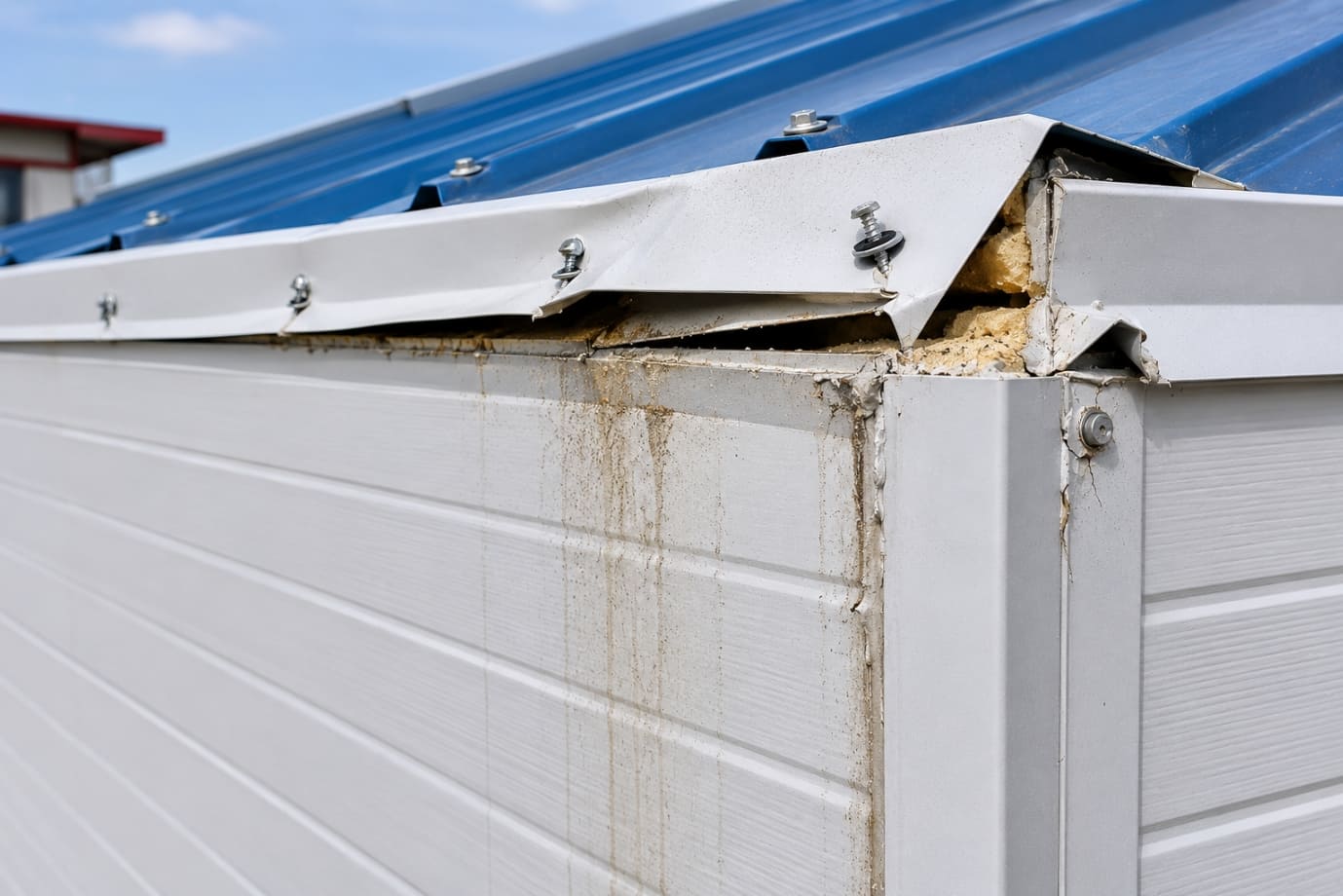
- Improper flashing at corners and roof edges allows rainwater to enter the building.
- Incorrect ridge flashing can leave gaps that reduce weather resistance.
- Poorly installed gutters may cause water to accumulate near panel joints.
- Always ensure flashing is securely fixed, properly overlapped and sealed to create a watertight building envelope.
Improper Cutting Techniques
PUF panels should always be cut using the right tools and methods. Using improper cutting techniques is one of the common PUF sheet installation mistakes that can damage both the panel surface and insulation core, affecting its long-term performance.
- Using abrasive cutting wheels generates excessive heat that damages the protective coating.
- Hot cutting may burn the insulation core and reduce panel strength.
- Damaged coatings increase the risk of rust formation and corrosion.
- Use recommended tools such as fine-tooth circular saws, jigsaws or nibblers to achieve clean and accurate cuts without damaging the panel.
Leaving Metal Swarf on Panels
Metal swarf refers to the small metal particles produced during drilling and cutting. Although often ignored, leaving these particles on the panel surface is one of the overlooked PUF roofing sheets installation mistakes that can affect the appearance and durability of the panels.
- Metal particles quickly develop rust stains when exposed to moisture.
- Rust can spread to the panel surface, leading to corrosion over time.
- Accumulated swarf may damage the protective coating if left unattended.
- Clean the panel surface immediately after cutting or drilling using a soft brush or clean cloth to maintain its finish and performance.
Poor Waterproofing Around Doors, Windows and Pipe Openings
Openings for doors, windows, ducts and pipes are common areas where water leakage occurs. Inadequate sealing around these penetrations is one of the frequent mistakes while PUF panel wall installation and can compromise the insulation performance of the entire structure.
- Improper sealing allows water and moisture to enter through service openings.
- Poor flashing around penetrations increases the risk of leakage.
- Inadequate use of silicone sealants creates weak points in the weatherproof barrier.
- Apply high-quality silicone sealants and install flashing correctly around every opening to ensure complete waterproofing.
Installing Panels during Bad Weather
Weather conditions play a major role in the quality and safety of installation. Carrying out installation during heavy rain or strong winds often leads to mistakes in PUF roofing installation and mistakes while PUF Panel wall installation, making the work more difficult and less reliable.
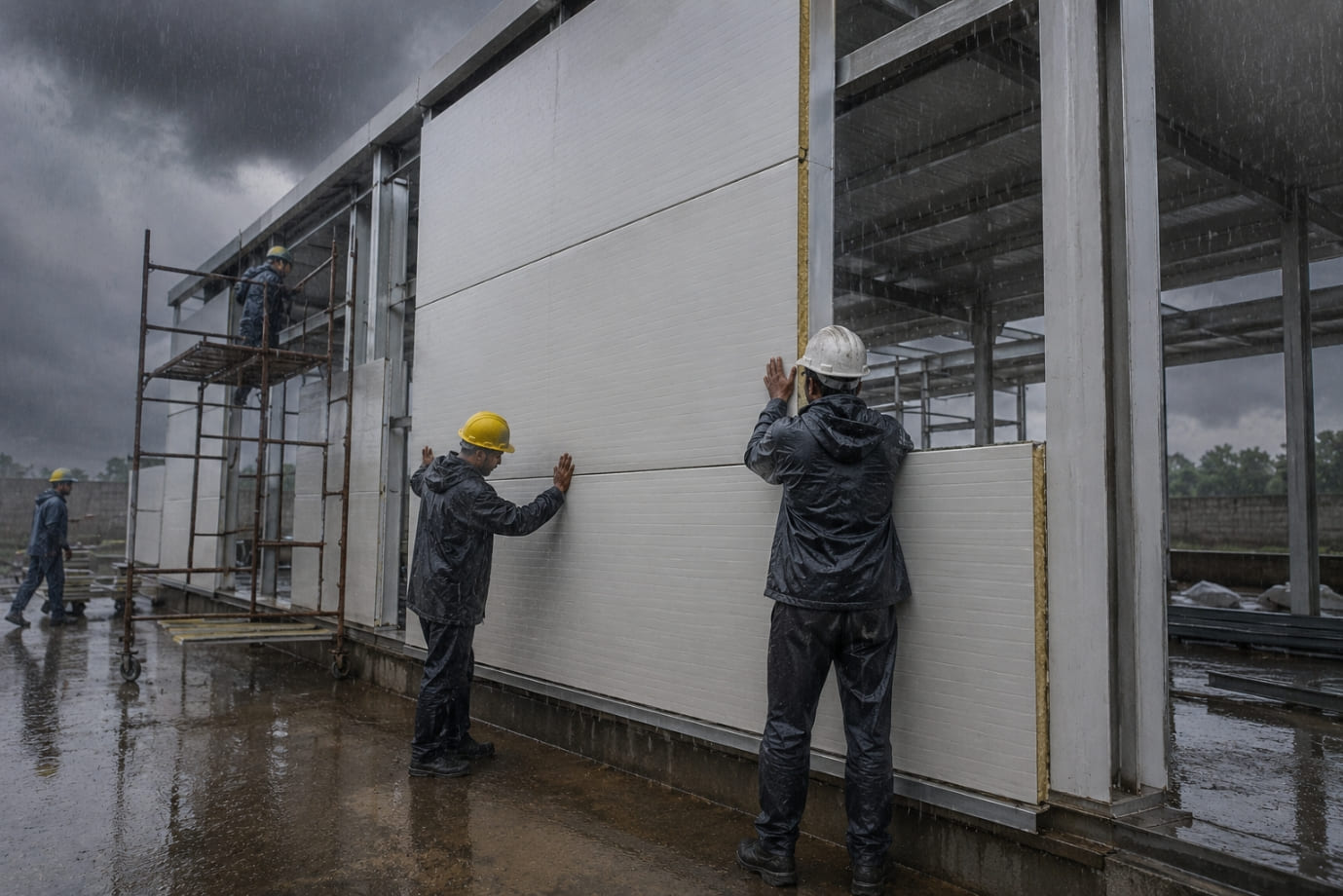
- High winds can affect panel positioning and create safety hazards for workers.
- Heavy rain may trap moisture inside panel joints during installation.
- Wet installation surfaces reduce sealing effectiveness.
- Whenever possible, install panels in dry and stable weather conditions to achieve better results and ensure worker safety.
Skipping Final Inspection
A final inspection is the last opportunity to identify and correct installation issues before the project is handed over. Skipping this step often results in mistakes in PUF panel roof installation and wall installation going unnoticed until costly repairs become necessary.
- Check that all fasteners are securely tightened without over-tightening.
- Inspect sealants and flashing to ensure every joint is properly sealed.
- Verify panel alignment and overall finishing quality.
- Conduct leakage testing wherever required and remove dust, debris, and metal swarf from the panels.
- A detailed final inspection helps deliver a durable, weatherproof, and energy-efficient PUF panel installation while preventing avoidable maintenance issues in the future.
By following manufacturer recommendations, using the right installation materials and carrying out proper quality checks at every stage, you can minimise these common mistakes while installing PUF panels. For detailed information, you can go through our dedicated page on PUF Panel Installation and Warranty.
Best Practices for Successful PUF Panel Installation
A successful PUF panel installation is not just about using high-quality panels, it also depends on following the right installation practices from start to finish. While many issues arise due to mistakes in PUF roofing installation or mistakes while PUF panel wall installation, they can be easily avoided with proper planning, skilled workmanship and attention to detail. Understanding how to install PUF panels the right way helps improve thermal performance, minimise maintenance costs and ensure a longer service life for the building.
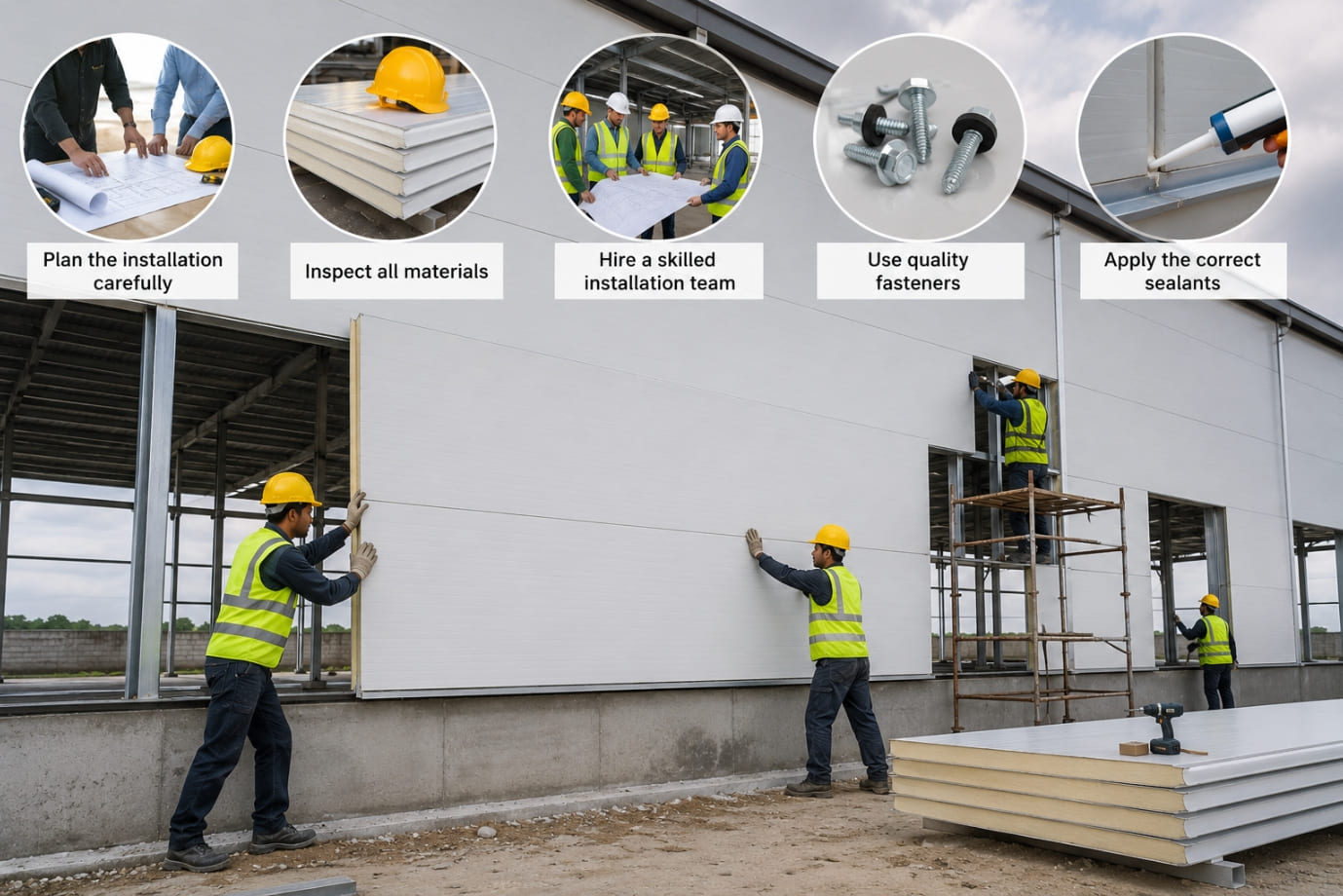
Follow these best practices for a reliable and durable PUF panel installation:
- Plan the installation carefully: Review project drawings, measurements and installation sequences before beginning the work to avoid unnecessary delays and mistakes while installing PUF Panels.
- Inspect all materials: Check PUF panels, accessories and components for any transportation damage to prevent PUF sheet installation mistakes.
- Store panels correctly: Keep panels on a flat, dry surface and protect them from moisture, direct sunlight and physical damage before use.
- Hire a skilled installation team: Experienced professionals can reduce the chances of mistakes while installation for roof PUF Panels and ensure proper panel alignment and joint connections.
- Use quality fasteners: Always select corrosion-resistant fasteners of the correct size and spacing for secure fixing and long-term durability.
- Apply the correct sealants: Use manufacturer-recommended sealants to create airtight and watertight panel joints while preventing flashing installation mistakes and moisture ingress.
- Follow manufacturer guidelines: Adhere to the recommended installation procedures, panel specifications and fastening methods to avoid mistakes in PUF panel roof installation and wall installation.
- Prioritise safety: Use appropriate personal protective equipment (PPE), secure lifting equipment and safe working practices, especially during roof installations.
Following these best practices helps ensure a strong, weather-resistant and energy-efficient PUF panel system that delivers reliable performance for many years and avoid mistakes while installing PUF Panels.
Why Choosing High-Quality PUF Panels Matters
The quality of a PUF panel plays a significant role in the success of any installation project. Even when you understand how to install PUF panels, using low-quality or poorly manufactured panels can increase the chances of mistakes in PUF panel fitting and affect the building’s overall performance. Investing in high-quality PUF panels ensures a smoother installation process and long-lasting results.
When selecting PUF panels, look for the following features:
- Precision manufacturing: It ensures accurate dimensions for easier installation and tighter panel connections.
- Better joint profiles: These create stronger interlocking joints, reducing the risk of air leakage and flashing installation mistakes.
- Consistent insulation density: It delivers reliable thermal performance throughout the building.
- Stronger steel facings: These improve durability and help panels withstand external loads and harsh weather conditions.
- Longer service life: It reduces maintenance costs and lowers the chances of mistakes while installing PUF panels, affecting long-term performance.
- Easier installation: It minimises the possibility of mistakes in PUF roofing installation and mistakes while PUF Panel wall installation, while ensuring better alignment and secure fixing.
Choosing a trusted PUF panel manufacturer like Technopuff Solutions or supplier is equally important. A reliable supplier not only delivers high-quality products but also provides technical guidance, helping you avoid common installation challenges and achieve a durable, energy-efficient PUF panel system. For extensive information, read our dedicated page on PUF Panels.
FAQs
A. The most common mistakes while installing PUF Panels include poor site preparation, incorrect panel alignment, inadequate joint sealing, improper fastening and insufficient waterproofing. These issues can reduce insulation performance, increase maintenance costs, and shorten the lifespan of the structure. Avoiding mistakes in PUF panel fitting is essential for a durable installation.
A. Roof leaks usually occur because of poor joint sealing, incorrect flashing, improper roof slope or loose fasteners. Even small installation errors can allow water to enter the building and damage the insulation. Preventing mistakes in PUF roofing installation is the best way to minimise leakage issues.
A. A proper installation begins with site preparation, followed by panel alignment, secure fastening, joint sealing, flashing installation and a final quality inspection. Following the manufacturer’s recommendations is essential for achieving the best results. Understanding how to install PUF panels helps improve durability and energy efficiency.
A. Sealants create airtight and watertight joints between adjacent panels, preventing moisture ingress and air leakage. Missing or poorly applied sealant can reduce insulation performance and increase maintenance costs. Many PUF sheet installation mistakes are linked to improper sealing during installation.
A. Proper alignment ensures that roof panels fit securely, drain rainwater efficiently and maintain structural stability. Misaligned panels can create gaps, uneven joints and water leakage. Careful alignment helps prevent mistakes in PUF panel roof installation and improves the overall performance of the roof.
A. Flashing protects roof edges, corners, joints and openings from water penetration. Poorly installed flashing can lead to leaks, corrosion and moisture damage over time. Proper detailing helps avoid common flashing installation mistakes and improves the weather resistance of the building.
A. PUF panels should always be installed using corrosion-resistant fasteners of the correct size and length as recommended by the manufacturer. Using unsuitable fasteners can weaken the installation and contribute to mistakes while installation for roof PUF Panels or wall panels.
A. PUF panels expand and contract with temperature changes. Without adequate expansion gaps, the panels may buckle, separate at the joints or develop cracks over time. Providing sufficient movement space reduces the chances of mistakes in PUF panel roof installation.
Conclusion
A well-installed PUF panel system delivers excellent thermal insulation, structural strength and long-term durability. However, even the best panels can underperform if basic installation practices are ignored. Common mistakes in PUF roofing installation and mistakes while PUF panel wall installation often lead to air leakage, water ingress, reduced insulation efficiency and expensive repairs that could have been avoided with proper planning and execution.
To achieve the best results, it is important to understand how to install PUF panels correctly and follow every stage of the installation process with precision. This includes proper site preparation, careful handling of panels, accurate alignment, secure fastening, effective joint sealing and avoiding common PUF sheet installation mistakes or mistakes in PUF panel fitting. Attention to these details ensures better weather resistance, improved energy efficiency and a longer service life for the building.
Equally important is using quality materials and following the manufacturer’s installation guidelines. This helps minimise mistakes while installation for roof PUF Panels, mistakes while PUF panel wall installation and flashing installation mistakes, ensuring a safe and reliable installation that performs consistently over time.
If you are planning your next insulated building project, choosing the right manufacturing partner is just as important as choosing the right installation team. At Technopuff Solutions, we provide premium-quality PUF panels along with expert technical support to help you achieve durable, energy-efficient and high-performance building solutions that stand the test of time.
For more information, you can explore our Homepage.