

Roof PUF Panels vs Profile Sheets: Which Roofing Solution Is Better?

Imagine two factories built with almost the same steel structure and located in the same city. Both look similar from the outside, but during a hot summer afternoon, one becomes extremely warm inside while the other stays relatively comfortable. Why does this happen? In many cases, the answer lies not in the structure itself, but in the roofing system.
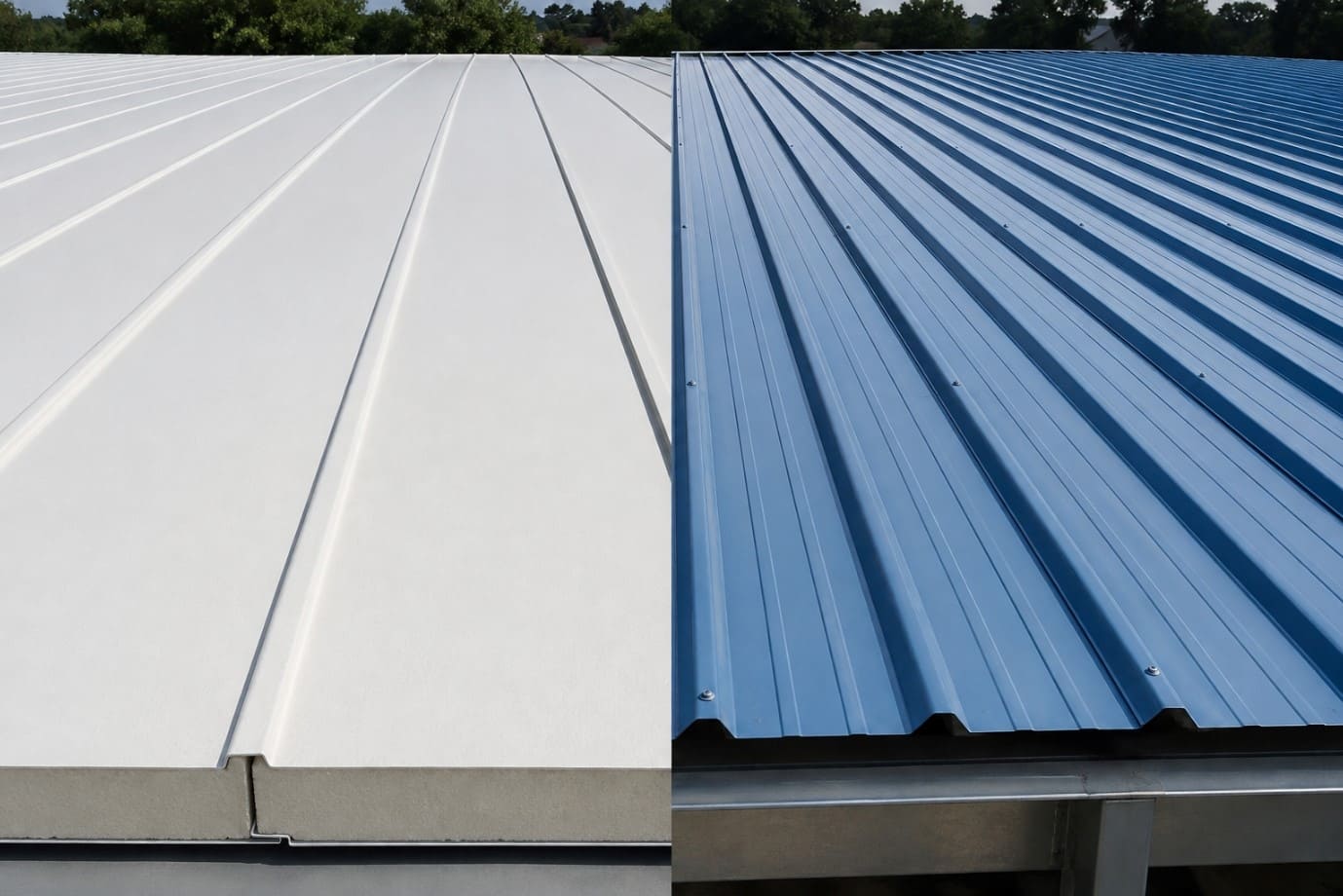
PUF Roof Panels vs Profile Roof Sheets

For industrial buildings, warehouses, factories and commercial spaces, choosing the right roof is about much more than covering the building. A conventional profile sheet can provide a strong and practical weather barrier, while an insulated PUF roof panel is designed to provide both roofing and thermal insulation in one system.

There are also several types of profile roof sheets available today, including GI profile sheet, PPGI profile sheet, PPGL profile sheet, and colour coated profile sheets. Depending on the project, buyers may also consider a corrugated profile sheet or trapezoidal profile sheet, with different finishes and design options.

However, the key question is not simply, “Which roof sheet costs less?” It is, “Which roofing solution gives better value for my building over the years?”

An economical roofing profile sheet may be suitable for a basic industrial shed where thermal insulation is not a major concern. But where heat control, energy efficiency and indoor comfort are important, PUF panels can offer a more complete solution.

In this blog, we compare PUF roof panels and profile sheets based on insulation, heat protection, durability, installation, maintenance, cost and applications, helping you make a practical and informed choice for your project.

What Are Roof PUF Panels?

A Roof PUF panel is an insulated roofing solution designed to provide both a protective roof covering and thermal insulation in a single panel. Unlike a conventional profile sheet, which mainly acts as a weather-resistant outer layer, a PUF panel has insulation built directly into its construction.

A typical PUF roof panel consists of two strong metal facings with a rigid polyurethane foam core between them. These layers are factory-manufactured and bonded together to create a lightweight but durable sandwich panel. The roof-facing surface can have a suitable profile or corrugation to support efficient rainwater drainage and provide structural performance.

Depending on the project, traditional options such as a GI profile sheet, PPGI profile sheet, PPGL profile sheet, corrugated profile sheet or trapezoidal profile sheet may require a separate insulation system when better heat control is needed. In contrast, PUF panels combine these functions in one solution.

This is the key difference:

PUF panel = roofing + insulation in one system.

With suitable interlocking joints and proper installation, PUF panels can help create a more comfortable and energy-efficient building envelope. This makes them particularly useful for factories, warehouses, industrial buildings and other spaces where controlling heat transfer is important. For in-depth details, go through our dedicated page on PUF Panels.

What Are Profile Sheets?

Profile sheets are lightweight metal sheets shaped into specific patterns to provide strength, support rainwater drainage and protect a building from sun, wind and rain. They are widely used for factories, warehouses, industrial sheds, workshops, agricultural buildings and other structures where a practical and economical roofing solution is required.
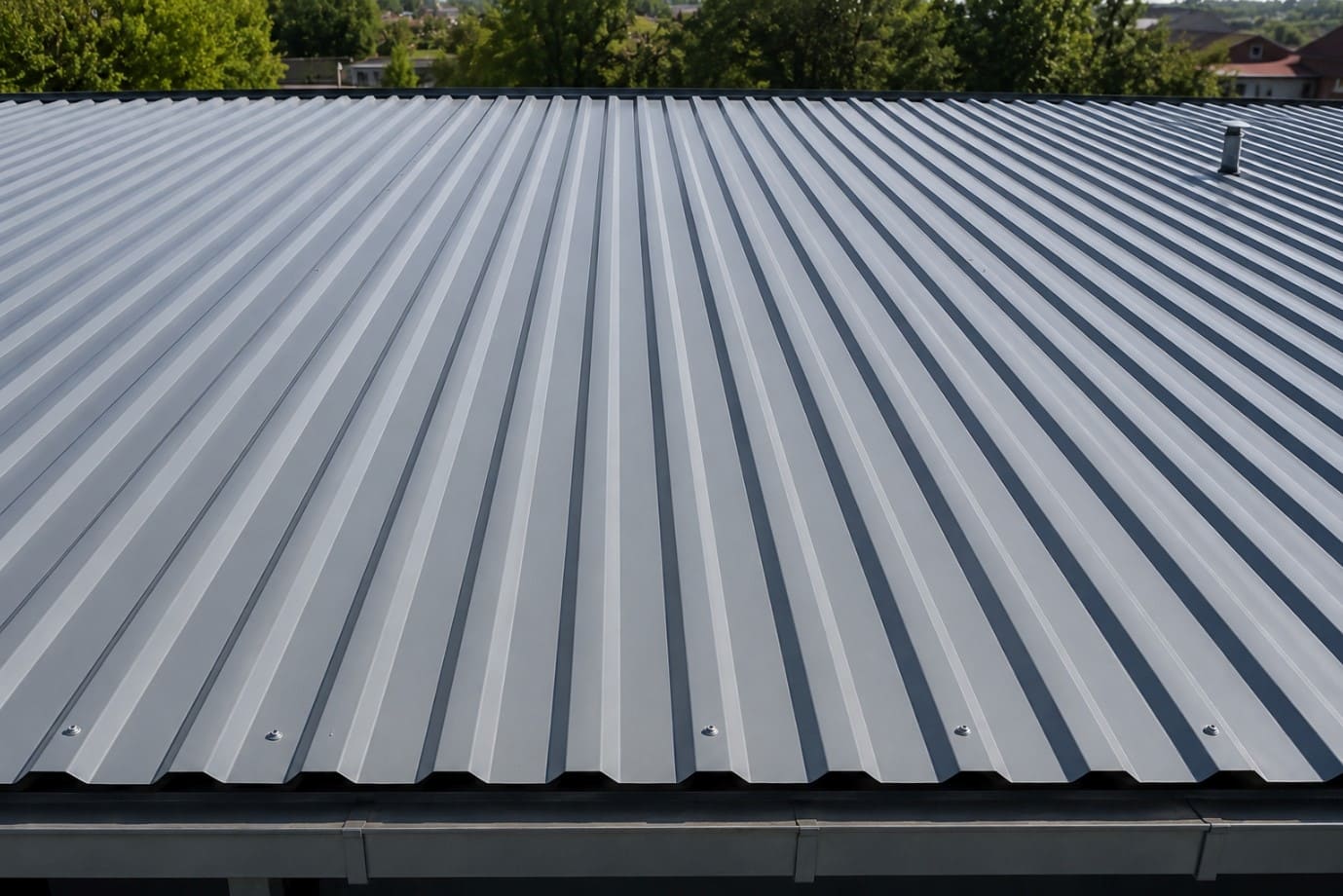
What Are Profile Sheets

These sheets are commonly manufactured from materials such as galvanized steel (GI), pre-painted galvanized steel (PPGI) and pre-painted galvalume steel (PPGL). A GI profile sheet is generally selected for its galvanized protective coating, while a PPGI profile sheet and PPGL profile sheet can offer additional coating and colour options. This is why colour coated profile sheets are popular when both functionality and appearance are important.

The shape of the sheet also matters. A corrugated profile sheet has a wave-like pattern, while a trapezoidal profile sheet has a more angular design. The right profile sheet design can improve the sheet’s strength and help rainwater move quickly towards the drainage system.

One important point, however, is that a profile sheet primarily works as a weather-resistant roof covering. Unlike an insulated PUF panel, it does not have a built-in polyurethane insulation core. If a building needs better thermal insulation, additional insulation may therefore be required beneath the roofing profile sheet.

This does not make profile roof sheets a poor choice. For projects where initial cost, simple installation, lightweight construction and basic weather protection are the main priorities, they can be a practical and cost-effective roofing option. The right choice ultimately depends on the building’s purpose, climate, insulation requirements and long-term operating needs.

Roof PUF Panels vs Profile Sheets: Quick Comparison

When choosing a roofing system for a factory, warehouse or industrial building, it is easy to focus only on the price of the sheet. However, the better approach is to compare the complete roofing system, including insulation, installation, maintenance and the building’s expected operating conditions.
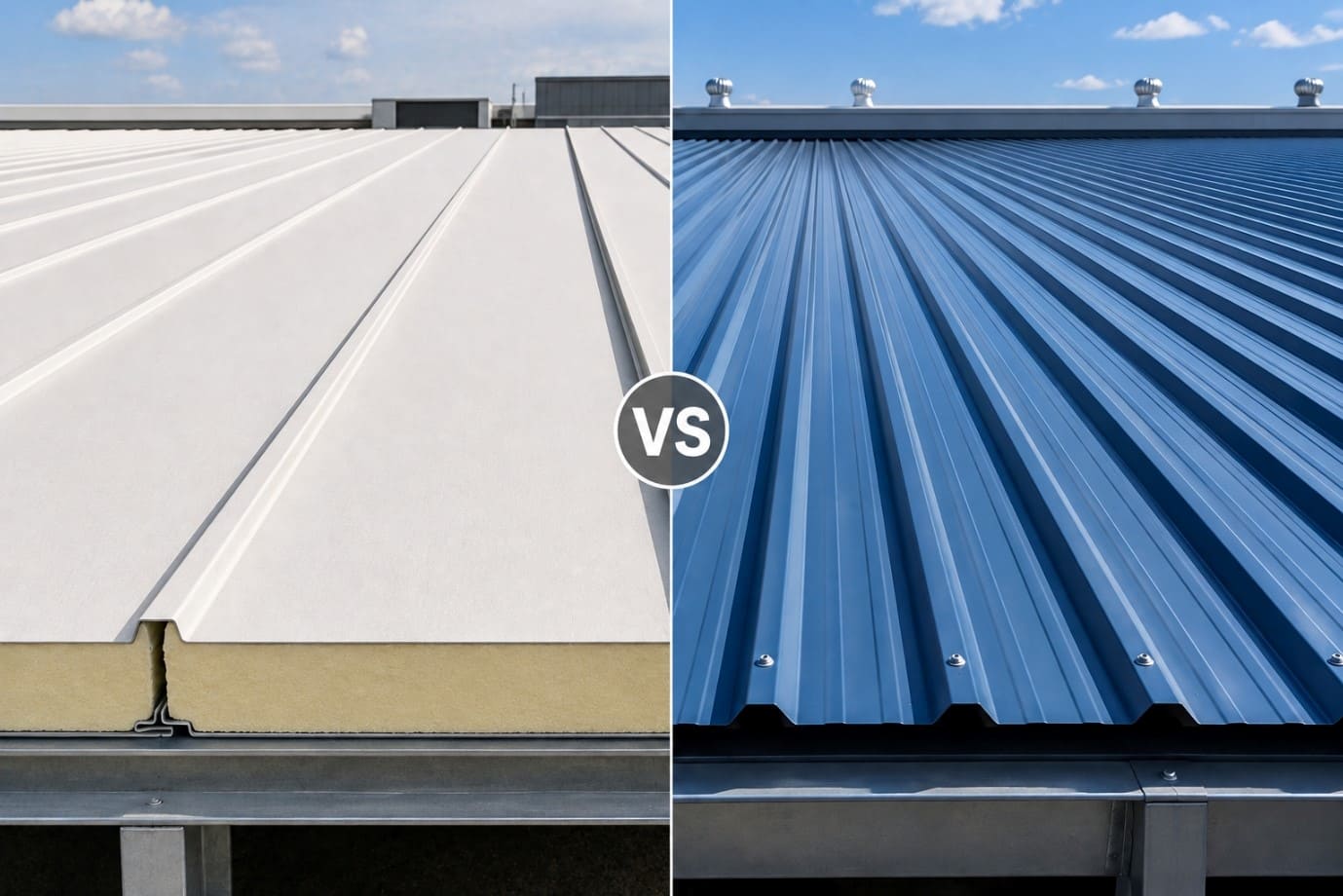
Roof PUF Panels vs Profile Sheets Quick Comparison

A PUF roof panel combines the outer metal sheets with a rigid polyurethane foam insulation core. A conventional profile sheet, on the other hand, mainly provides the external roofing layer. Depending on the application, additional insulation may need to be installed separately.

Here is a quick comparison to help you understand the practical differences:
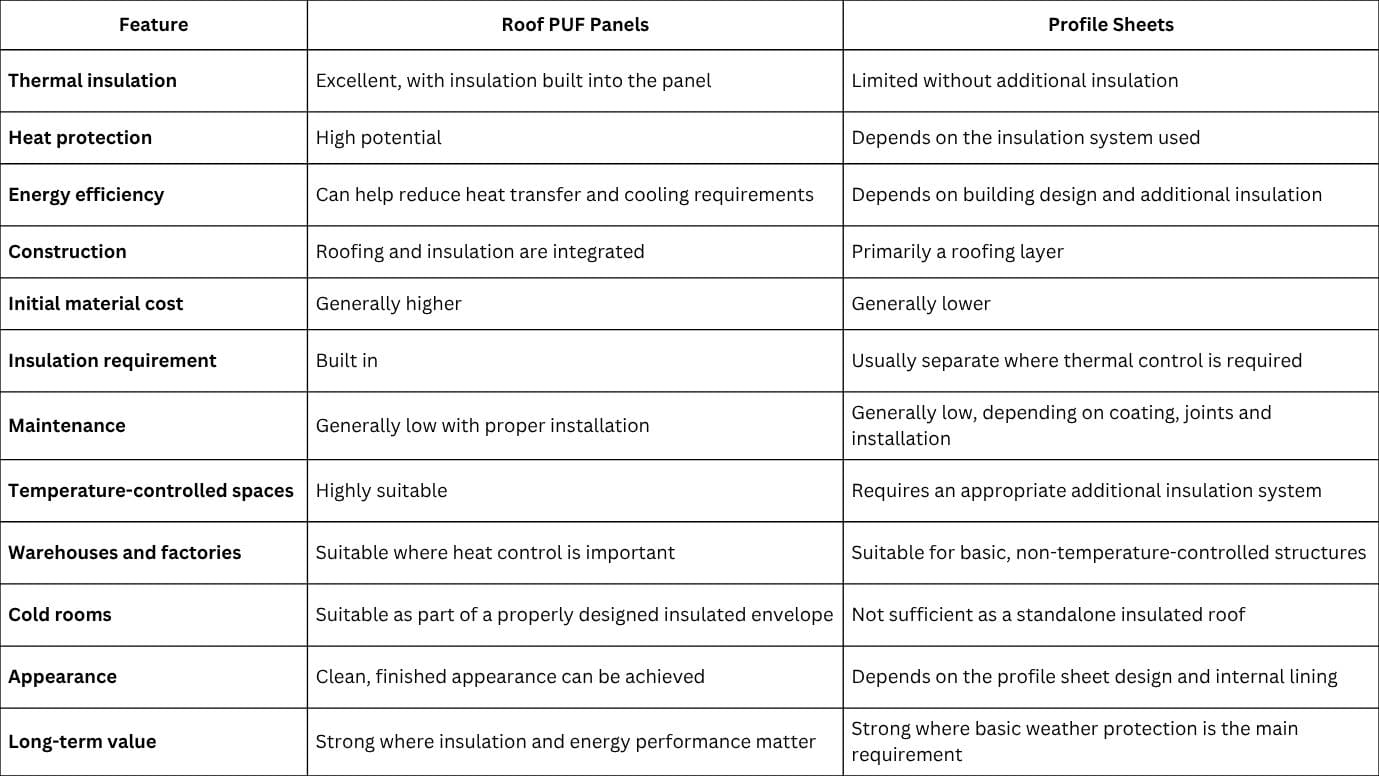
PUF Roofing Panel Vs Profile Sheet - Key Differences

For example, a GI profile sheet, PPGI profile sheet or PPGL profile sheet can be a practical option for a conventional industrial shed. Similarly, a corrugated profile sheet or trapezoidal profile sheet can provide effective water drainage and weather protection when correctly selected and installed. Colour coated profile sheets can also offer a cleaner and more attractive exterior finish.

However, if the building needs better thermal control, simply comparing one profile sheet with one PUF panel can be misleading. The comparison should include the cost and performance of any insulation that may be required with profile roof sheets.

Roof PUF Panels vs Profile Sheets for Different Applications

The best roofing solution depends on how a building will be used. A profile sheet may be perfectly suitable for one project, while a PUF roof panel may offer greater value for another. Instead of choosing only by appearance or initial price, consider the building’s heat, insulation, storage and comfort requirements.
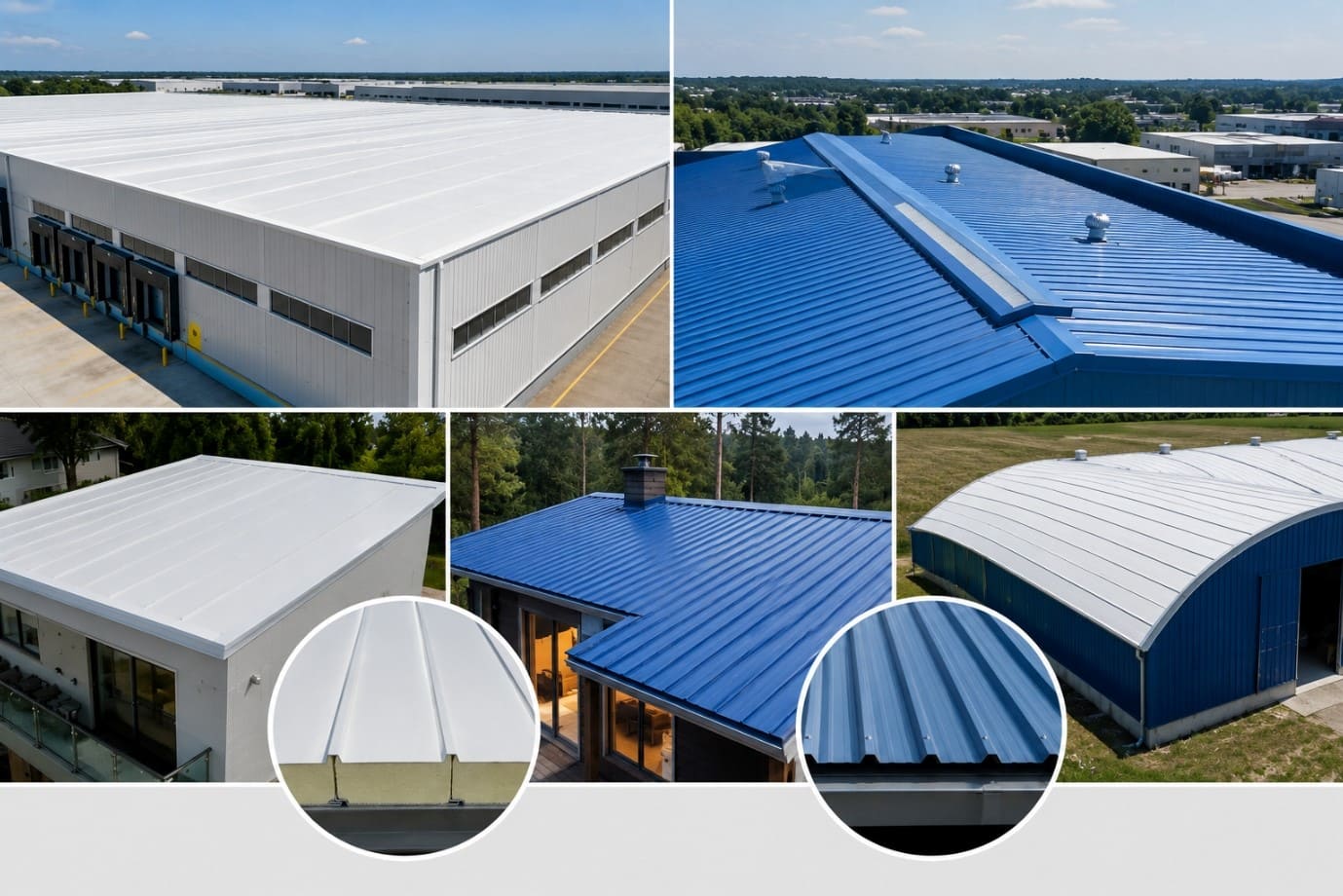
Roof PUF Panels vs Profile Sheets for Different Applications

Choose PUF panels when insulation is an important part of the building’s performance. Choose profile roof sheets when the project mainly requires a lightweight, durable and economical weather-resistant roof. The final decision should also consider climate, building design, roof area, insulation requirements, material specifications and installation quality.

Factors to Check before Choosing Your Roofing System

Choosing the right roof is not simply about finding the lowest price per square foot. A roofing system should match the building’s purpose, local climate, insulation needs and long-term operating requirements. Before selecting between PUF panels and a profile sheet, consider the following factors:
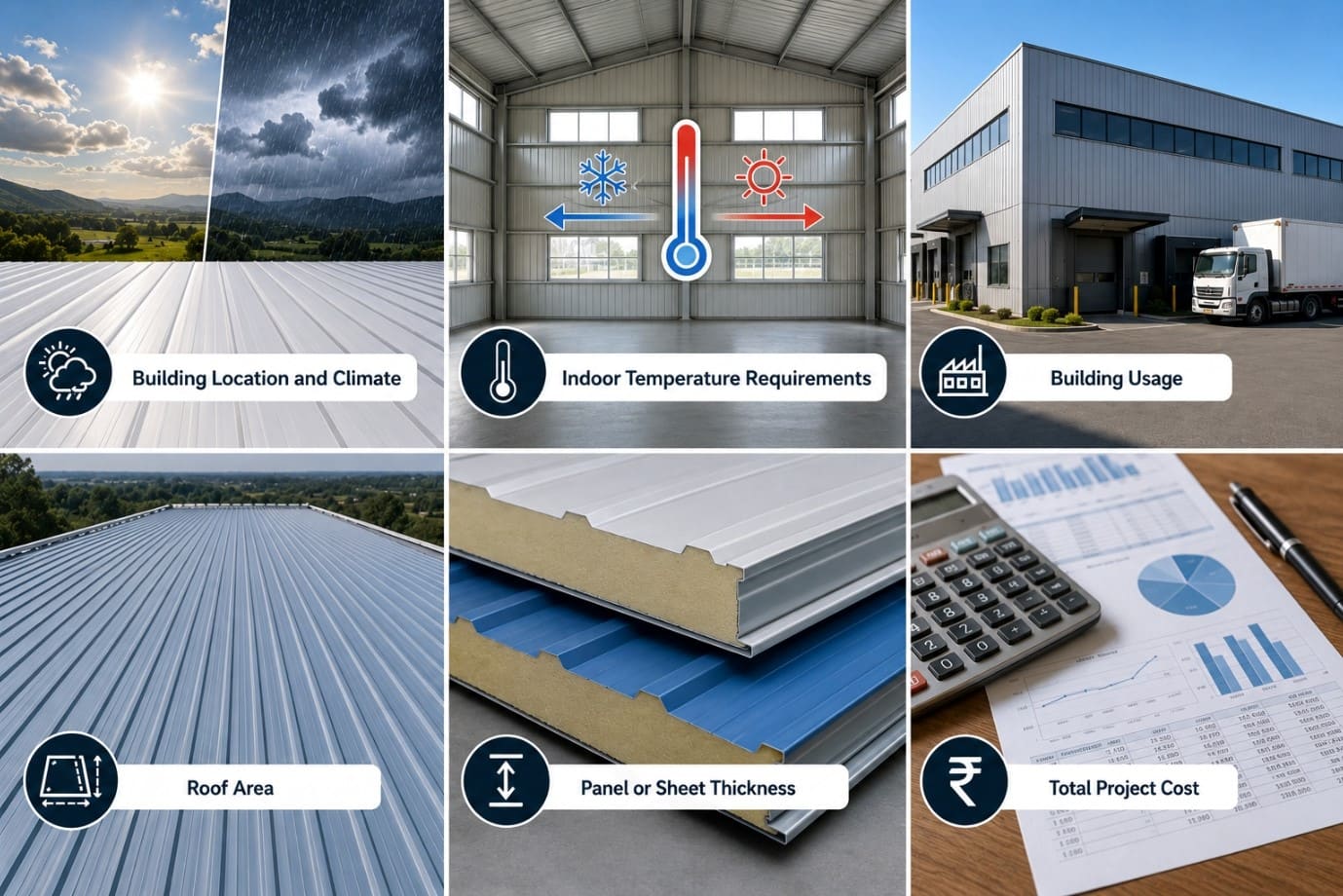
Factors to Check before Choosing Your Roofing System

Don’t select roofing purely on ₹/sq. ft. Compare the complete installed and operational system.

This approach helps you choose between PUF panels and colour coated profile sheets based on actual project needs rather than price alone.

Why Choose Technopuff Solutions for Roof PUF Panels?

Choosing the right roofing partner is just as important as choosing the right roofing material. Technopuff Solutions focuses on insulated and prefabricated construction solutions, helping businesses select roofing systems based on their actual application, building design and insulation requirements.

Whether you are replacing a conventional profile sheet or planning a new industrial structure, Technopuff Solutions can help you evaluate the right solution rather than selecting a roof only on initial cost.

If you are comparing PUF panels with a roofing profile sheet, the right choice depends on your project’s insulation, performance and budget requirements.

FAQs

A. PUF roof panels can be a better choice when a building requires thermal insulation, heat protection and energy efficiency. A profile sheet can be more suitable for basic roofing where weather protection and lower initial cost are the main priorities. The right option depends on the building application, climate, insulation needs and operating conditions.

A. Yes, PUF roof panels are particularly useful for warehouses where heat control, product protection or indoor comfort is important. For general storage buildings, profile roof sheets can also be suitable when temperature control is not a major requirement.

A. In many cases, profile roof sheets can have a lower initial material cost than PUF panels. However, the comparison should also include the cost of additional insulation, installation, maintenance and energy consumption over the building’s operating life.

A. Before buying colour coated profile sheets, check the base metal, sheet thickness, coating specification, profile design, corrosion resistance, application, expected weather exposure and manufacturer’s specifications. Installation quality, fasteners, overlaps and sealing are also important for long-term roof performance.

A. A PUF panel has an integrated polyurethane foam insulation core between two metal facings, so it provides both roofing and insulation in one system. A conventional roofing profile sheet is mainly a metal roof covering and may require separate insulation when better thermal performance is needed.

Conclusion

Choosing between PUF roof panels and a profile sheet ultimately depends on the specific needs of your building. If your priority is basic weather protection, simple construction and a controlled initial budget, profile roof sheets can be a practical choice. Options such as GI profile sheet, PPGI profile sheet, PPGL profile sheet, corrugated profile sheet and trapezoidal profile sheet are available for different industrial and commercial applications. Colour coated profile sheets can also be considered when appearance and exterior finish are important.

On the other hand, if your building requires thermal insulation, heat protection, energy efficiency and better indoor temperature control, PUF roof panels offer a more complete roofing solution. Unlike a conventional roofing profile sheet, a PUF panel combines the roof covering and insulation into one integrated system. This can make it particularly suitable for factories, warehouses, cold-storage facilities and other buildings where controlling heat transfer is important.

The final decision should always be based on your building application, local climate, insulation requirements, structural design, budget and expected operating conditions. A roofing system that works well for a basic warehouse may not be the right choice for a temperature-sensitive facility. Similarly, investing in an insulated roof may not always be necessary for a simple structure where thermal performance is not a major concern.

Most importantly, don’t choose roofing only by comparing the initial ₹/sq. ft. price. Consider the complete installed and operational cost, including insulation, installation, maintenance, energy requirements and long-term performance. By looking at the bigger picture, you can choose a roofing solution that provides the right balance of cost, durability, insulation and performance for your project.

For more information regarding our products and services, you can explore our Homepage.

Get In Touch
× How can I help you?