

PUF Panel Joints: Types, Jointing Systems, Installation & Sealing Explained
PUF panels are widely used in industrial buildings, cold storage facilities, pharmaceutical units, clean rooms and other temperature-controlled environments because of their excellent thermal insulation properties. However, the overall performance of an insulated structure depends not only on the quality and thickness of the panels but also on how effectively they are connected. This is where PUF panel joints become important. They help join individual panels to create a continuous insulated surface while minimizing unwanted gaps that can allow air or moisture to enter. Different types of sandwich panel joints are designed to provide proper alignment, secure connections and insulation continuity across walls, ceilings and roofs. Choosing the right jointing arrangement is essential for achieving a well-fitted and properly insulated structure.
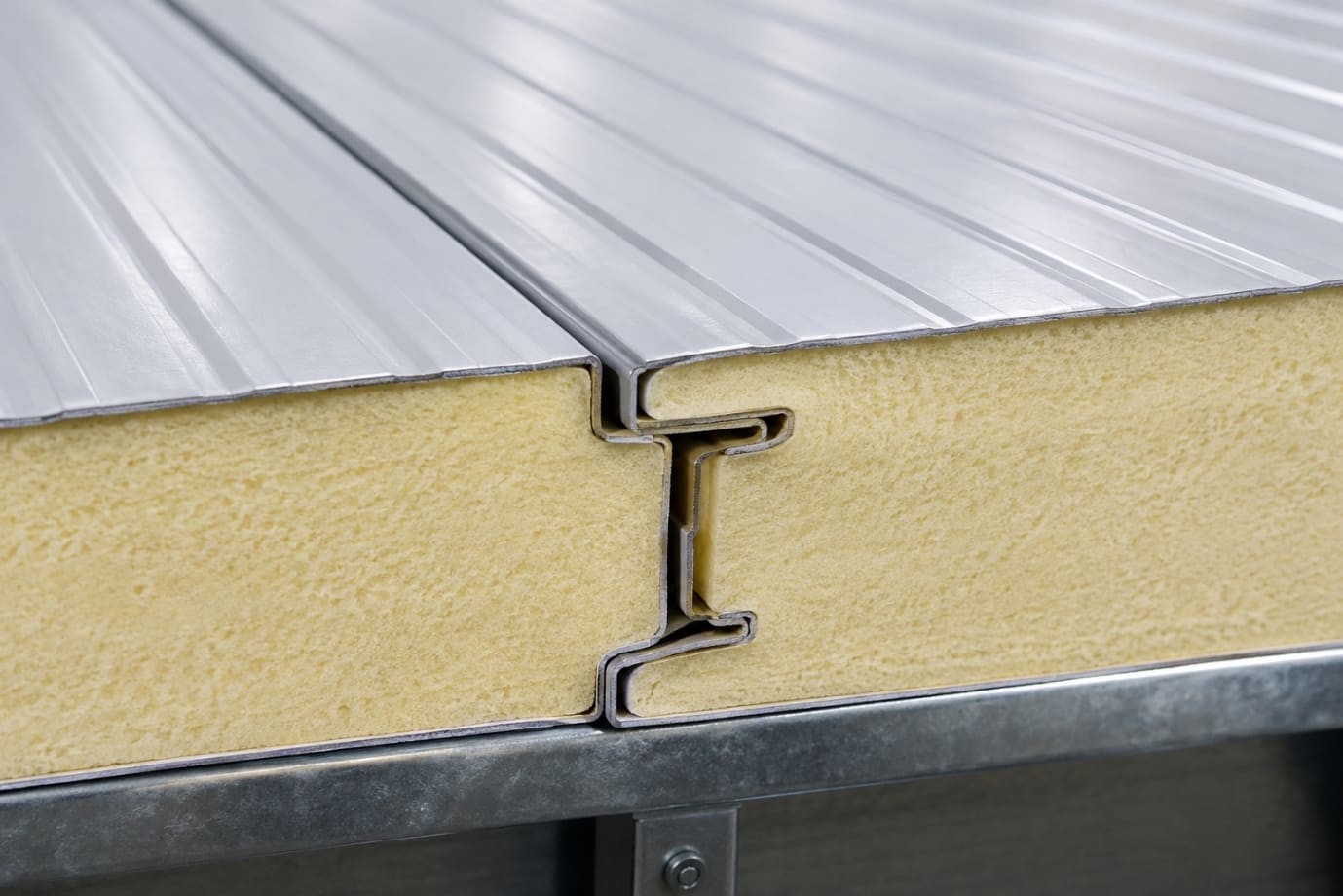
Modern panel construction uses different joining mechanisms depending on the application, panel design and installation requirements. Tongue and groove joints allow adjoining panels to fit together through specially designed edge profiles, while a cam lock joint uses a mechanical locking arrangement to pull panels tightly together. These mechanisms are commonly incorporated into interlocking wall panels, roof panels and ceiling panels to create properly connected insulated surfaces. A well-designed PUF panel interlocking system not only simplifies panel assembly but also helps reduce gaps, maintain thermal insulation and improve the overall finish of the structure. Whether you are constructing a cold storage facility, an industrial shed or a clean room, understanding different jointing systems can help you make informed decisions about panel selection, installation and long-term performance.
What Are PUF Panel Joints?
PUF panel joints are the connecting sections where two or more insulated sandwich panels are joined to create a continuous wall, ceiling or roofing structure. A typical PUF sandwich panel consists of a rigid polyurethane foam (PUF) core placed between two protective metal sheets. Its edges are specially designed to fit together using different joining mechanisms, such as tongue and groove joints or a mechanical cam lock joint, depending on the panel design and application.
The main purpose of these connections is to ensure proper panel alignment, minimize gaps and maintain insulation continuity. A well-designed PUF panel interlocking system helps connect wall panels, ceiling panels and roof panels securely. These joints also help reduce unwanted air movement and moisture entry when properly installed and sealed. Whether used in interlocking panels for walls or ceiling applications, well-fitted joints contribute to better insulation performance, durability and an efficient insulated structure.
Different Types of PUF Panel Joints
Different types of PUF panel joints are designed to connect insulated panels securely while maintaining proper alignment and insulation continuity. The most commonly used joining arrangements include tongue and groove joints, cam lock joints and overlapping joints for roofing applications. Each type serves a different purpose depending on the panel design and installation requirements.
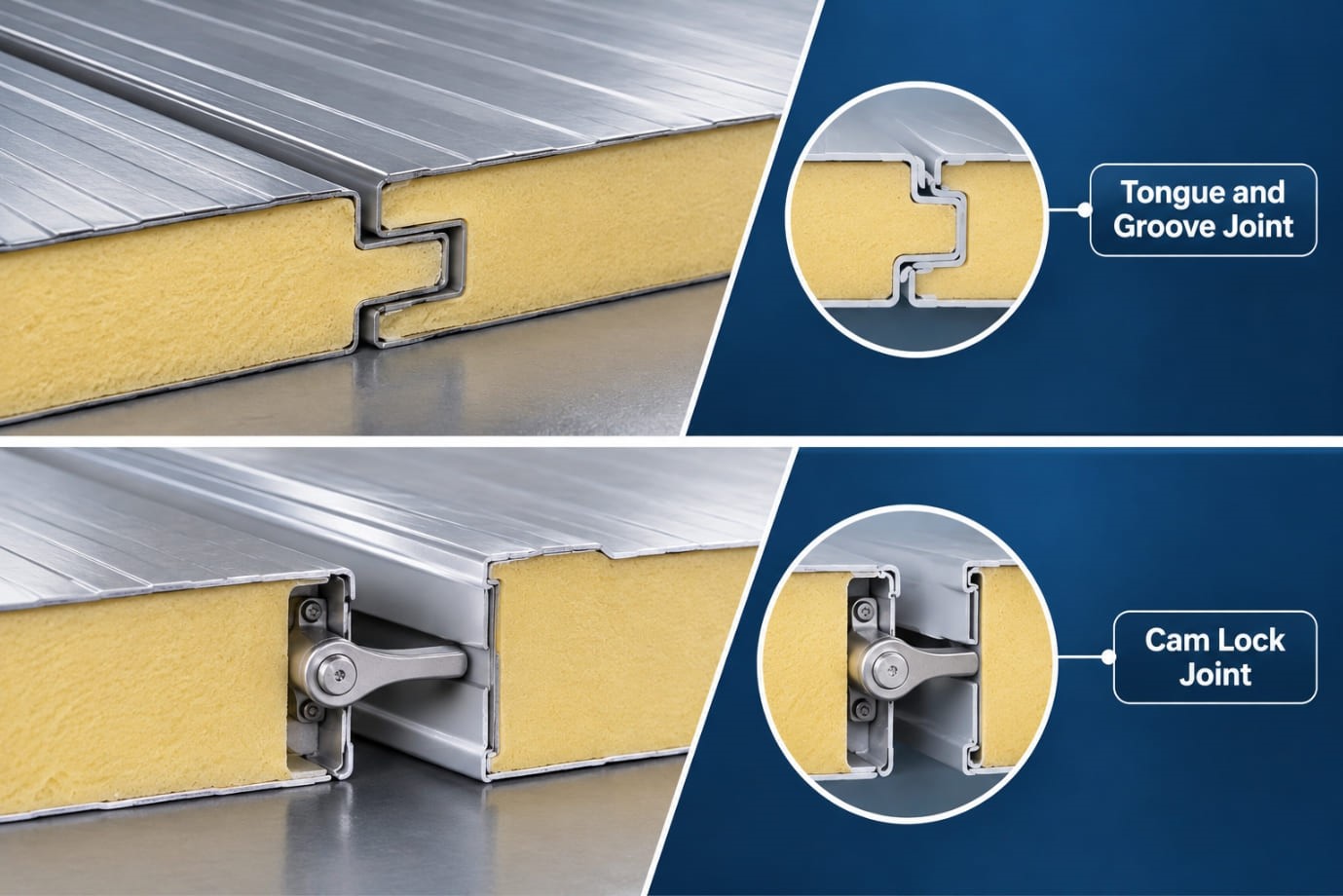
⮞ Tongue and Groove Joint
A tongue and groove joint connects two panels through specially designed edge profiles. One panel has a projecting section called a tongue, while the adjoining panel has a matching recessed section called a groove. During installation, these edges fit together to create a close connection. This arrangement helps maintain panel alignment, minimize gaps and support insulation continuity. It is commonly used in interlocking wall panels and ceiling panels for cold rooms, industrial buildings and other insulated spaces. Properly fitted panel joints also help reduce unwanted air movement.
⮞ Cam Lock Joint
A cam lock joint uses an inbuilt mechanical locking mechanism to connect adjoining PUF panels. Using a compatible locking tool, the mechanism pulls the panels tightly towards each other, creating a firm connection. This system is commonly used in modular cold rooms, freezers and temperature-controlled facilities. It allows convenient assembly and helps maintain a close fit between interlocking panels for walls and roofs.
⮞ Overlapping Joint for Roof Panels
Overlapping joints are commonly used in insulated roofing systems. In this arrangement, the profiled edges of adjacent panels overlap and are secured using suitable fasteners and sealing washers as recommended by the manufacturer. This helps prevent rainwater entry and supports proper roof drainage. Correct fastening and sealing are essential for reliable performance. Properly installed interlocking roof panels help maintain weather protection and insulation continuity.
Choosing the right PUF panel interlocking system depends on the application, panel specifications and installation requirements. Each of these sandwich panel joints contributes to creating a well-connected and insulated structure.
How Does the PUF Panel Interlocking System Work?
A PUF panel interlocking system is designed to connect adjoining insulated panels securely and create a continuous surface. It uses specially shaped panel edges or mechanical locking arrangements to ensure a close fit between panels. Whether used in interlocking wall panels, roof panels or ceiling panels, the connection process generally involves the following steps:
- Profile Matching: The edges of adjoining panels are checked to ensure that their profiles match, particularly in tongue and groove joints.
- Panel Positioning: Panels are carefully placed and aligned to maintain a straight and even installation.
- Interlocking: The adjoining edges are fitted together to create properly connected PUF panel joints.
- Cam Lock Tightening: Where a cam lock joint is provided, a compatible tool is used to engage the locking mechanism and pull the panels together.
- Final Inspection: The wall panel joints and other connections are checked for alignment, gaps and proper fitting.
This process helps create a continuous insulated enclosure, minimizes unwanted air movement and supports the overall performance of sandwich panel joints. Proper installation is essential for long-lasting results.
Difference between Cam Lock and Tongue and Groove Joints
Both cam lock joints and tongue and groove joints are commonly used in PUF panel connection systems, but they work in slightly different ways. A tongue and groove joint connects adjoining panels through specially shaped edges that fit into each other, while a cam lock joint uses a mechanical locking mechanism to pull the panels tightly together. Understanding these differences helps in selecting a suitable PUF panel interlocking system for different insulated structures.
Comparison | Tongue & Groove | Cam Lock |
Basic mechanism | Interlocking edge profiles | Mechanical locking device |
Connection | Profile-to-profile fitting | Lock-assisted tightening |
Assembly | Fitted according to panel design | Locking tool used where required |
Common applications | Continuous insulated panels | Modular cold rooms |
Main purpose | Alignment and close fitting | Secure panel connection |
It is important to understand that these systems are not always mutually exclusive. Many cam-lock panels also incorporate tongue and groove joints to improve alignment and panel fitting. Both systems can be used in interlocking wall panels, roof panels and other insulated applications. The right arrangement depends on the panel design, installation requirements and intended use. Properly installed PUF panel joints help maintain insulation continuity and create a well-fitted structure.
How to Join Two PUF Panels Together
Joining two PUF panels requires proper alignment and careful fitting to create a secure connection and maintain insulation continuity. The installation process may vary depending on the panel design and application, but generally involves the following steps:
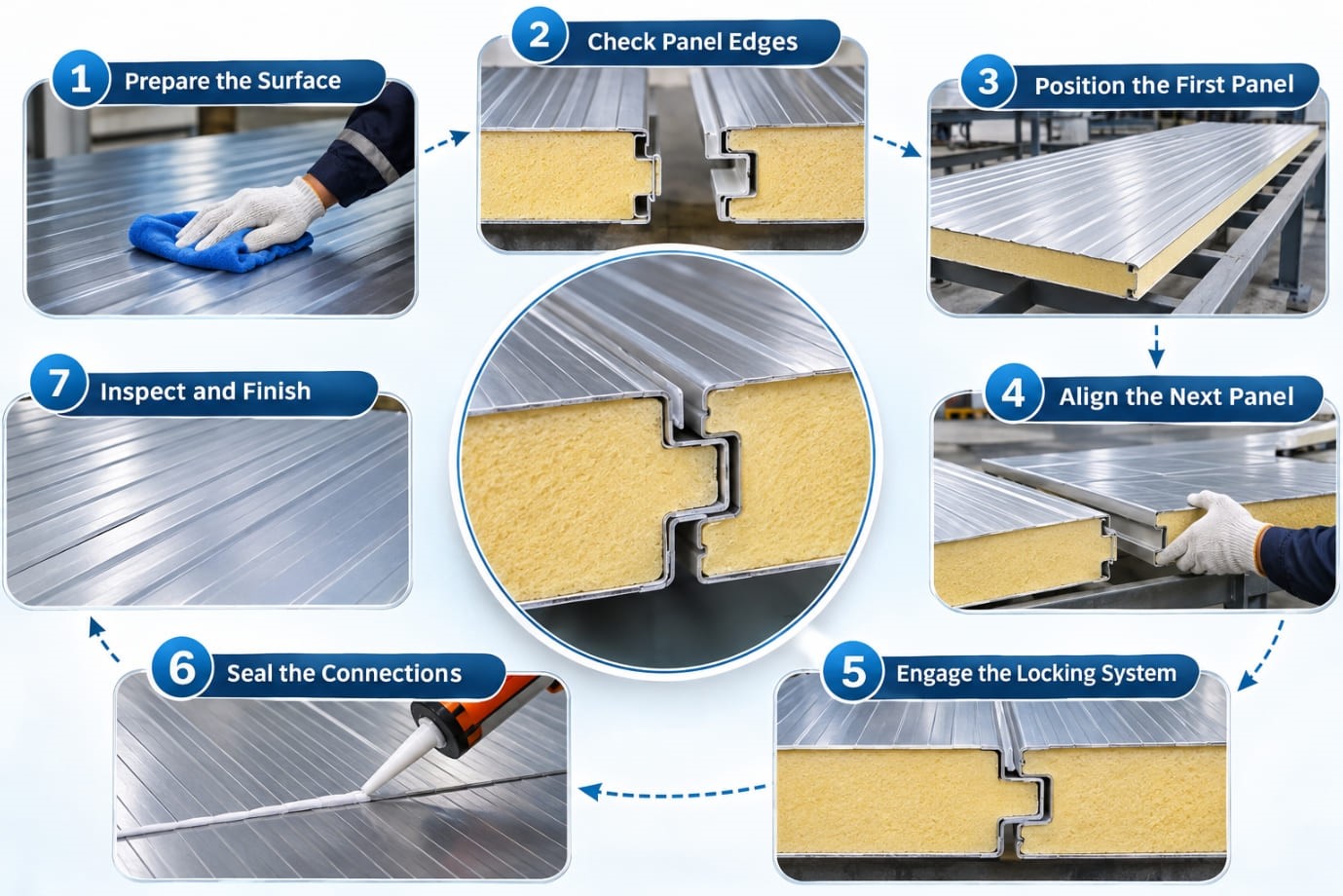
- Prepare the Surface: Inspect the supporting framework or surface to ensure it is clean, level and ready for panel installation.
- Check Panel Edges: Verify panel dimensions and inspect the joint profiles for any damage or irregularities.
- Position the First Panel: Place the first panel correctly and secure it as per the installation guidelines.
- Align the Next Panel: Match the adjoining edges, ensuring the tongue and groove joints fit properly.
- Engage the Locking System: Connect the panels using the specified PUF panel interlocking system or tighten the cam lock joint where provided.
- Seal the Connections: Apply recommended sealing materials wherever required.
- Inspect and Finish: Check the PUF panel joints for gaps, alignment and proper fitting.
These steps help create properly connected interlocked wall panels, ceilings and roofing systems. However, installation methods may differ for each of these panels. Always follow the manufacturer’s installation instructions for reliable results.
PUF Panel Joint Sealing Methods
Proper sealing is essential for maintaining the insulation performance and overall efficiency of insulated structures. Even well-fitted PUF panel joints may develop small gaps if they are not properly sealed during installation. These gaps can allow unwanted air and moisture movement, affecting temperature control and increasing the risk of condensation. Different sealing materials and accessories are used depending on the panel design, joint location and application.
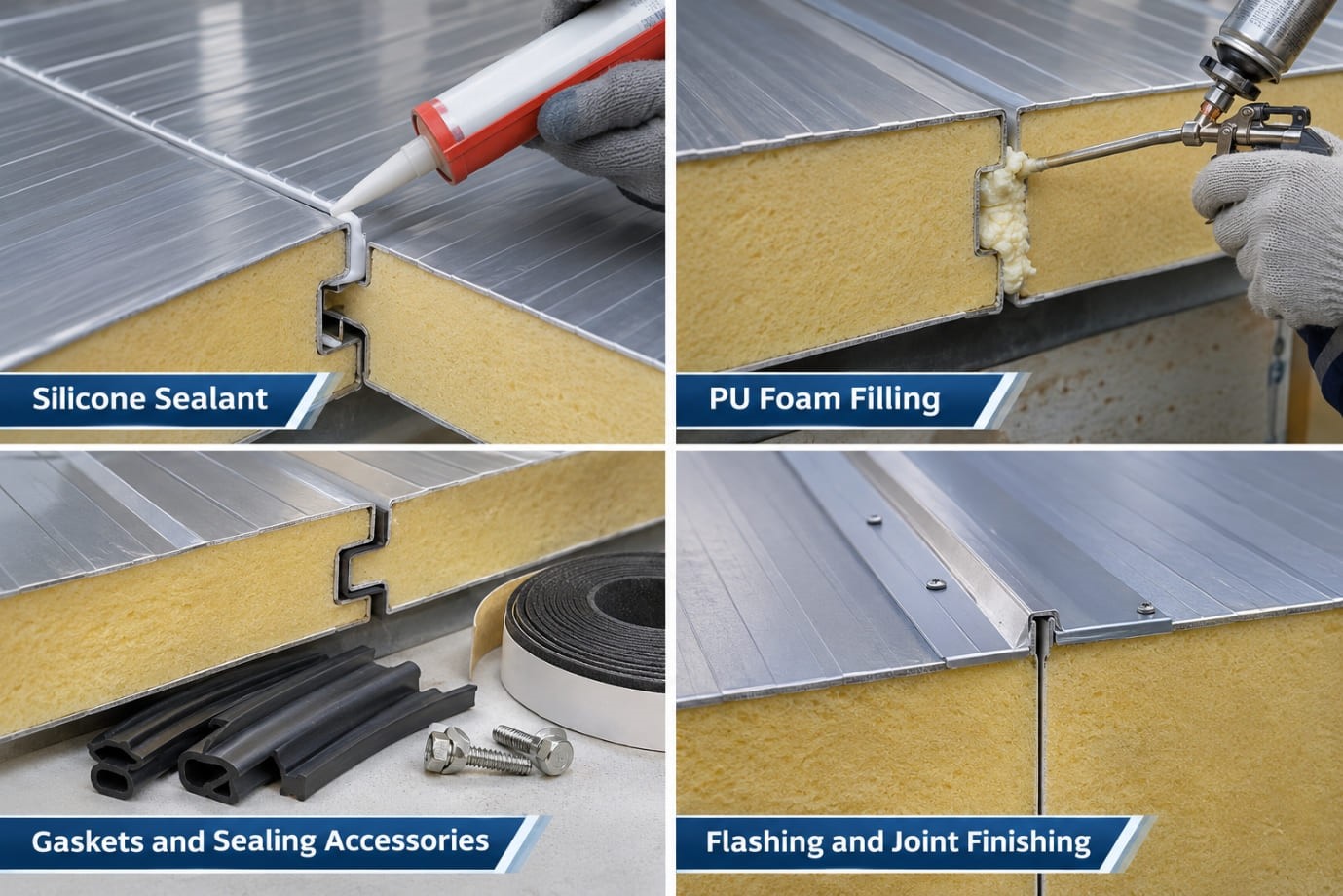
⮞ Silicone Sealant
It is commonly used at suitable panel junctions, corners and finishing areas to create a flexible seal and reduce air or moisture entry.
⮞ PU Foam Filling
Compatible PU foam may be used to fill specified construction gaps and junctions, helping maintain insulation continuity around panel connections.
⮞ Gaskets and Sealing Accessories
Gaskets, sealing tapes and other accessories help improve the fit between adjoining panels, including tongue and groove joints and cam lock joint arrangements.
⮞ Flashing and Joint Finishing
Metal flashings and trims protect exposed connections, particularly at corners and roof junctions. They help direct rainwater away from vulnerable areas and provide a neat finish to interlocking roof panels and wall panel joints.
Using suitable sealing methods across interlocking wall panels, interlocking ceiling panels and other sandwich panel joints helps the PUF panel interlocking system perform effectively. Always follow the panel manufacturer’s recommendations when selecting sealing materials.
Common Problems with Improperly Installed PUF Panel Joints
Improper installation of PUF panel joints can affect the insulation performance, durability and overall efficiency of an insulated structure. Even small mistakes during panel fitting or sealing can create problems over time. Some common issues include:
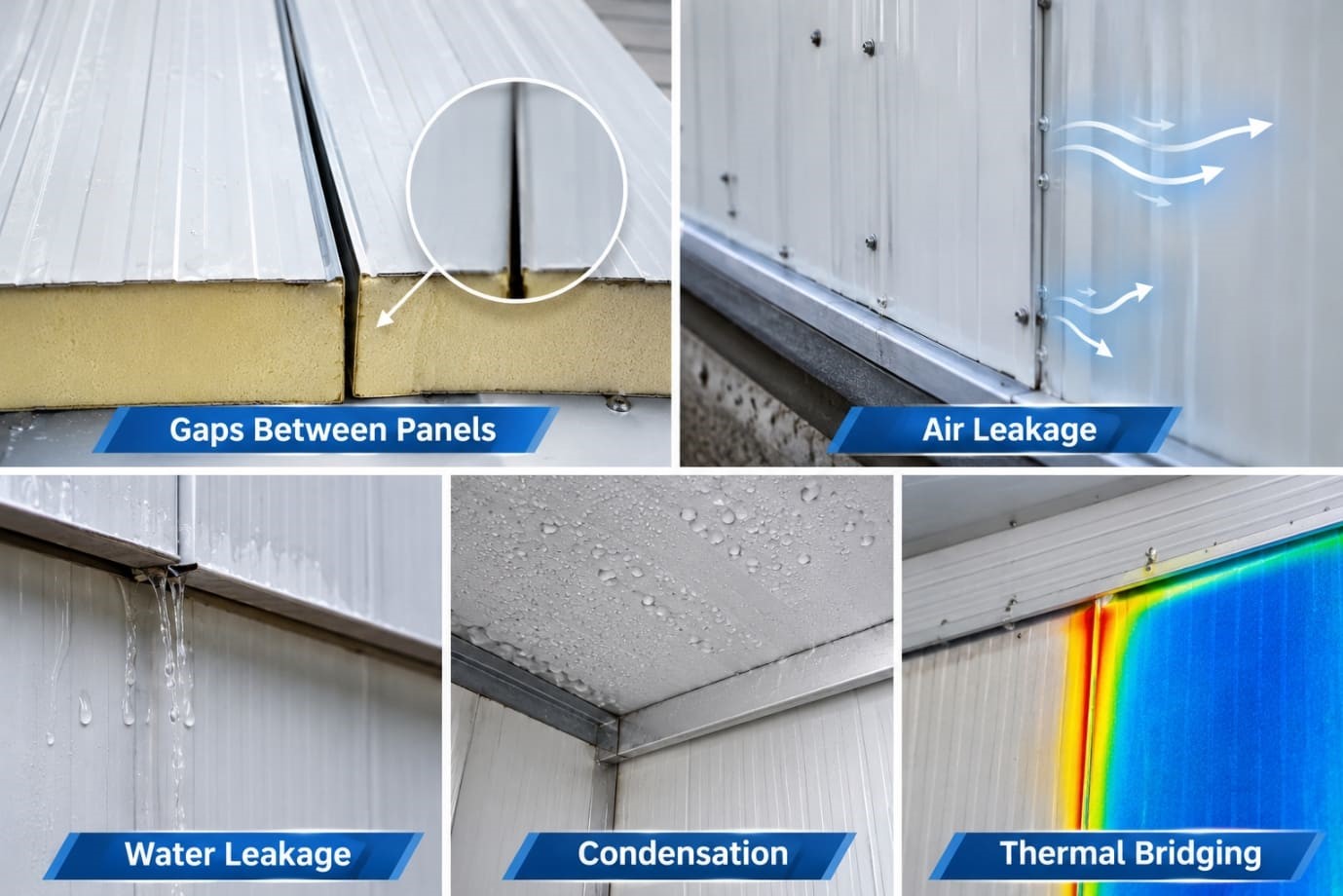
- Gaps Between Panels: Poorly aligned tongue and groove joints or loose connections can leave gaps between adjoining panels.
- Air Leakage: Improperly sealed wall panel joints may allow unwanted air movement, affecting indoor temperature control.
- Water Leakage: Exposed or poorly sealed connections in interlocking roof panels can allow rainwater to enter the structure.
- Condensation: Moisture movement and cold surfaces around panel connections can lead to condensation problems.
- Thermal Bridging: Discontinuities in insulation at sandwich panel joints can create paths for unwanted heat transfer.
These problems can be minimized by selecting the right PUF panel interlocking system, ensuring proper panel alignment and using suitable sealing materials. Correct installation of interlocking wall panels, ceilings and other insulated panels helps maintain insulation continuity and supports long-term performance.
Also Read: Common PUF Panel Installation Mistakes
Importance of PUF Panel Joints in Cold Storage and Clean Rooms
Properly designed and sealed PUF panel joints play an important role in maintaining insulation, hygiene and environmental control in different types of facilities. When panels are joined correctly, they help reduce unwanted gaps, limit air and moisture movement, and maintain consistent indoor conditions.
- Cold Storage: Well-fitted tongue and groove joints and a suitable cam lock joint help reduce unwanted air infiltration and support stable temperatures. This is especially important in cold rooms and freezer facilities, where temperature fluctuations can affect stored products. You can also go through our dedicated page on Cold Storage solutions.
- Pharmaceutical Facilities: Properly installed wall panel joints and roof panel joints help create smooth, well-fitted surfaces. Correctly sealed joints support controlled indoor conditions and make routine cleaning easier.
- Food Processing Units: Well-sealed wall panel joints help reduce moisture ingress and prevent dirt from collecting in gaps, supporting cleaner and more hygienic interior spaces.
- Industrial Buildings: A reliable PUF panel interlocking system, along with properly installed interlocking roof panels, helps maintain insulation continuity and provides better protection against external weather conditions.
Overall, suitable sandwich panel joints improve the performance and reliability of insulated structures.
How to Choose the Right PUF Panel Jointing System
Selecting the right PUF panel jointing system is important for achieving proper insulation, secure connections and long-term performance. Since every project has different requirements, the choice of PUF panel joints should be based on the intended application and installation conditions rather than selecting the same joint type for every structure. Consider the following factors before making a decision:
- Application and Temperature: Consider whether the panels will be used in cold storage, freezers, industrial buildings or temperature-controlled facilities.
- Installation Location: Choose suitable joint arrangements for interlocking wall panels, ceilings or interlocking roof panels.
- Insulation Requirements: Evaluate the required thermal performance and the need to minimize gaps and unwanted heat transfer.
- Panel Thickness and Edge Profile: Ensure that the joint design matches the panel dimensions and profile, including tongue and groove joints or a cam lock joint.
- Installation and Maintenance: Consider ease of assembly, accessibility and future maintenance requirements.
- Manufacturer's Specifications: Always follow the recommended installation methods and technical guidelines.
The right choice of sandwich panel joints helps create a properly fitted and insulated structure suited to your project requirements.
Why Choose Technopuff Solutions for PUF Panel Requirements?
Technopuff Solutions offers PUF panel solutions for different industrial and commercial insulation requirements. Here are a few reasons to explore its products for your project:
- Solutions for Different Applications: PUF panels can be used in industrial buildings, cold storage facilities, pharmaceutical clean rooms, and other insulated structures. You can also read our dedicated blog on PUF Panel Clean Rooms.
- Suitable Panel Configurations: Choosing the right panel design is important for proper fitting, insulation performance, and long-term use.
- Different Jointing Options: Depending on the project requirements, panels may use tongue and groove joints, a cam lock joint or another suitable PUF panel interlocking system.
- Wall, Ceiling and Roofing Applications: Technopuff offers panel solutions for different building requirements, including interlocking wall panels, ceiling panels and roofing systems.
- Project-Based Selection: The right panel type, thickness and joint design should be selected based on the application and insulation requirements.
Explore Technopuff’s PUF Panels and contact the team to discuss your project requirements and find a suitable insulation solution.
FAQs
A. The common types of PUF panel joints include tongue and groove joints, cam-lock connections and overlapping joints used in roof panels. The choice depends on the panel design and application.
A. Tongue and groove joints connect panels through matching edge profiles, while a cam lock joint uses a mechanical locking mechanism to pull compatible panels together securely.
A. Two panels are aligned and joined using the designed interlocking system. The connection is then sealed as recommended by the manufacturer.
A. Compatible silicone sealant, PU foam, sealing tapes or gaskets may be used for wall panel joints, depending on the joint design and application.
A. Properly sealed sandwich panel joints help reduce air leakage and moisture entry, supporting stable temperatures and better insulation performance in cold storage facilities.
Conclusion
Choosing the right PUF panel joints is essential for achieving strong connections, effective insulation and reliable performance in insulated buildings. Although panel quality and thickness are important, the way individual panels are connected also plays a major role in the overall performance of the structure. Properly fitted joints help reduce unwanted gaps, maintain insulation continuity, and limit the movement of air and moisture.
Different applications may require different jointing methods. Tongue and groove joints provide a close-fitting connection, while a cam lock joint offers a mechanical locking arrangement for suitable panel systems. Whether you are installing interlocking wall panels, ceiling panels or interlocking roof panels, selecting the correct joint design is important for a secure and well-finished structure.
A properly planned PUF panel interlocking system also helps improve installation quality and reduce common issues caused by poor alignment or sealing. The same care should be taken with wall panel joints and other sandwich panel joints to support long-term insulation performance.
If you are planning a cold storage facility, clean room or industrial building, understanding your panel jointing requirements can help you make a better decision. You can connect with Technopuff Solutions to discuss your PUF panel requirements and get technical guidance on selecting a suitable panel solution for your project.
For more information about our products and services, you can explore our Homepage.

